Gemology Books Bibliography

Gemology Books Bibliography

Explore books on gems, gemology, jewelry and mineralogy in Four Treasures, the Lotus Gemology reference database. This bibliography brings together matching book records from the collection, with publication details, abstracts and cover images where available.

Gemology Book References

The list below matches books concerning gemology and related subjects in the database's searchable fields. Some works cover several branches of gems, jewelry or mineralogy.
2,821–2,840 of 3,630 matching references

Die diagnostische Bedeutung der Einschlüsse in Edelsteinen
The diagnostic significance of the inclusions in gemstones
Journal Article
Gübelin, E.J. (1948) Die diagnostische Bedeutung der Einschlüsse in Edelsteinen. [The diagnostic significance of the inclusions in gemstones] Schweizerische Mineralogische und Petrographische Mitteilungen, Vol. 28, No. 1, pp. 146–156.
Record No. 2033  |  Sinkankas/Born No.: NIS/NIB  |  Language: in German  |  RWHL
View Individual Record ↗
Gübelin reviews the diagnostic value of gemstone inclusions and their significance for understanding mineral formation. Improved dark-field binocular microscopy permits examination of inclusions throughout a faceted stone, revealing characteristic differences in their composition, form, orientation, and distribution. Inclusions are classified both by their timing relative to host-crystal growth and as solid, liquid, or gaseous components. Examples from diamond, corundum, beryl, garnet, tourmaline, spinel, moonstone, and fluorite illustrate their use in gemstone identification and, in some cases, determining geographical origin. Particular attention is given to locality-specific inclusion assemblages in rubies and sapphires, three-phase inclusions in emeralds, and characteristic mineral inclusions in garnets. The paper emphasizes that diagnostic value frequently resides in the overall inclusion pattern and its relationship to crystal structure, rather than in an isolated inclusion. Five plates illustrate representative features. Gübelin advocates closer collaboration between gemmology and mineralogy to advance both practical identification and interpretation of crystal growth.

The diagnostic importance of inclusions in gemstones
Journal Article
Gübelin, E.J. (1948) The diagnostic importance of inclusions in gemstones. Journal of Gemmology, Vol. 1, No. 7, July, pp. 1–23.
Record No. 878  |  ISBN/ISSN: 221252  |  Sinkankas/Born No.: NIS/NIB  |  RWHL
View Individual Record ↗
COULD they do it again? It was with this thought in m y mind that I walked into It was with this thought in my mind that I walked into the Goldsmiths' Hall on May 4th ,the opening day of the the Goldsmiths' Hall on May 4th, the opening day of the second exhibition by the Gemmological Association. I was second exhibition by the Gemmological Association. I was wondering if the Association could repeat t h e success of their first wondering if the Association could repeat the success of their first big exhibition. Had that been partially obtained because it had big exhibition. Had that been partially obtained because it had never been done on that scale before? After alll,, there wass little fresh that could be shown in gems. No startling discovery of a new variety could be expected, no novelty for the next season. In a few moments I realised that the Association had done it again and better. An exhibition of gemstones had been presented which was not only fresh butt lovelier, more interesting than the previous one. A year ago I had been fascinated by the beauty off many of the exhibits. Now I was fascinated by the beauty of thee whole exhibition. Queen Mary was an early visitor and the officers of the Association were presented to her. It was no wonder that she, with her expert knowledge of jewels and antiques, spent almost an hour looking at the exhibits. Or that she wanted to handle and feel the perfection of some of the delicate pieces of carved jade.

Spectrochemical and spectrophotometric analyses of rubies and sapphires
Journal Article
Alexander, A.E. (1948) Spectrochemical and spectrophotometric analyses of rubies and sapphires. Journal of Gemmology, Vol. 1, No. 8, October, pp. 4–8.
Record No. 223  |  ISBN/ISSN: 221252  |  Sinkankas/Born No.: NIS/NIB  |  RWHL
View Individual Record ↗
Spectrochemical and spectrophotometric investigations of natural and synthetic rubies and sapphires were undertaken to compare their compositions and optical properties and explore possible methods of distinguishing them. For spectrochemical analysis, ruby samples were ground in a boron carbide mortar under acetone to minimise contamination and examined using the Harvey method of semiquantitative analysis. Results for two natural and two synthetic rubies, comprising a light and a dark specimen of each, were expressed as oxide percentages. Alumina constituted 96.5–98.8% of the samples, while chromium oxide ranged from 0.945 to 2.58%, with higher concentrations in the darker specimen of each pair. Silica and minor quantities of copper, cadmium, magnesium, molybdenum and iron were reported in all four specimens. Vanadium was detected in both natural rubies but in neither synthetic ruby. Numerous additional elements, including titanium, were sought but not detected in these four samples. Separate analyses examined the clear core, combined core and outer layers, and outer layers alone of a Linde synthetic star ruby to investigate the material producing asterism. Titanium increased from 0.064% in the core to 0.162% in the outer layers containing dense interlocking crystals. This enrichment supported the suggested identification of the star-producing inclusions as titania, consistent with their microscopic resemblance to rutile needles in natural rubies. Magnesium was also more abundant in the outer layers, whereas chromium concentrations were relatively similar throughout the analysed sections. Spectrophotometric measurements were made with a Hardy recording spectrophotometer on highly polished plates of natural and synthetic ruby and sapphire measuring approximately 2 mm square and 1 mm thick. Visible spectral reflection curves showed broadly similar patterns for natural and synthetic examples of each gem variety, in keeping with their closely comparable chemical and physical properties. Ruby curves exhibited a broad blue-region maximum, a yellow-region minimum and a pronounced rise towards red wavelengths; sapphire curves showed a broad blue-region maximum followed by lower reflection at longer wavelengths. The curves were submitted to Eastman Kodak for investigation of a special filter that might permit rapid differentiation of natural and synthetic corundum. Research remained incomplete, and no wholly satisfactory filter had been obtained.

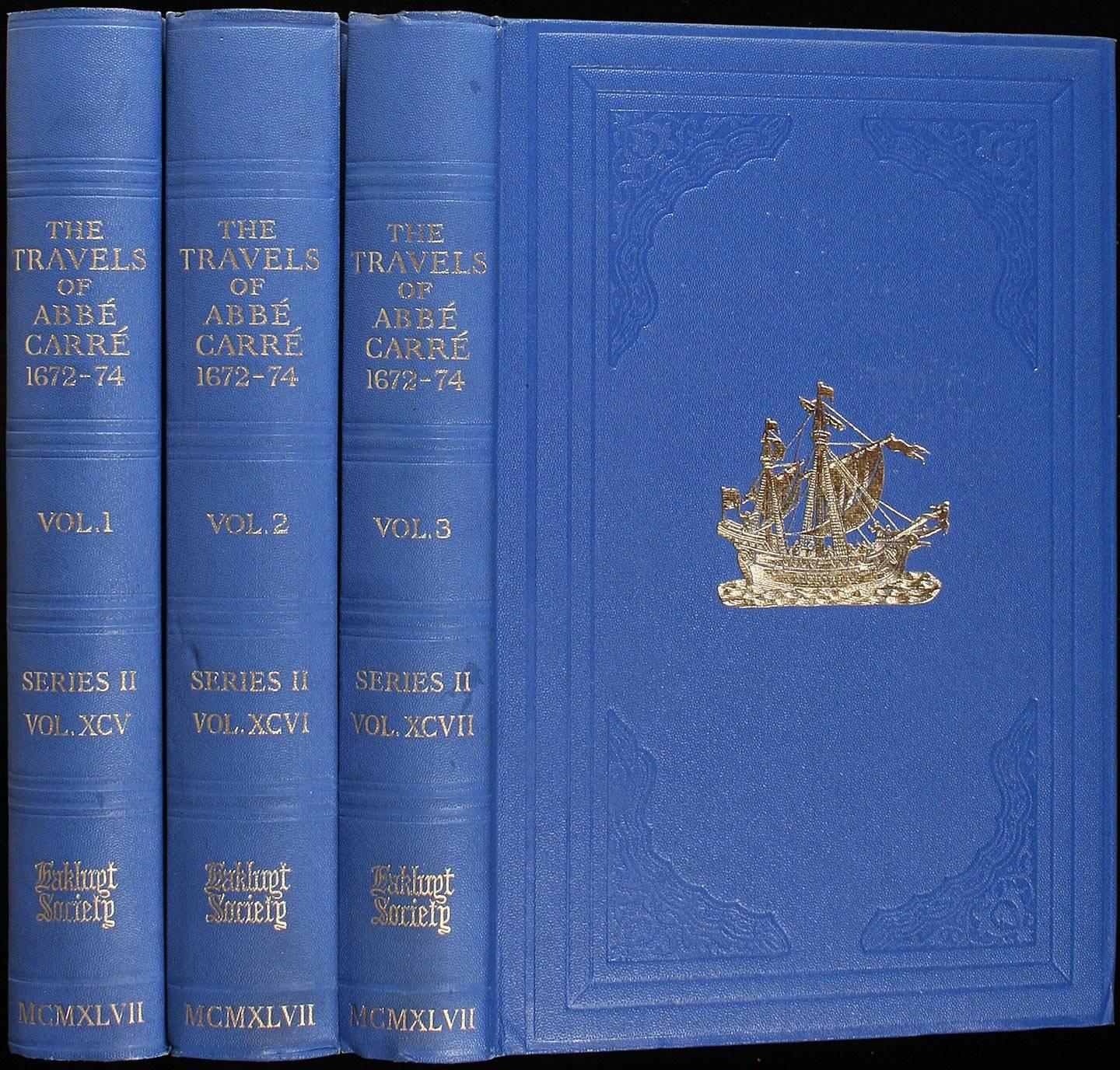
Mexico South: The Isthmus of Tehuantepec
Book
Covarrubias, M. (1947) Mexico South: The Isthmus of Tehuantepec. New York, Alfred A. Knopf (427 pp.).
Record No. 28558  |  Sinkankas/Born No.: NIS/NIB  |  RWHL
View Individual Record ↗
It used to be customary to think of Mexico as a barren land—great stretches of semi-desert bristling with cactus and maguey plants, a place of rattlesnakes and burros; of enigmatic black eyes peering out between straw sombreros and garish sarapes; of gentle-mannered, shy women flitting by like shadows in their blue rebozos; of D’Artagnanesque cattle rustlers strumming guitars and dressed in silver-studded, skin-tight trousers. It was a sort of musical-comedy nation, where browbeaten peons periodically rose in revolt against their Spanish grandee masters and were led by bandit generals with magnificent moustaches and oily complexions, whose ruthless and sanguinary exterior concealed a patriotic heart of gold. This romantic picture has gradually given way to a less gaudy and increasingly accurate understanding of the country, acquired through the personal experience of travellers and a deeper insight into Mexican art and history, economy, and sociology gained by a new generation of more liberal and open-minded scholars and students. Nearly everybody has heard of the Aztecs and their emperor Moctezuma, and of the Maya, builders of what is often considered the most highly developed Indigenous civilization of the American continent. Maya cities buried in the tropical jungle have become the special province of American archaeologists; libraries have been filled with novels set in Mexico, with accounts of Mexico’s bewildering revolutions, with controversial studies of Mexican politics, religious conflicts, agrarian struggles, and oil crises, and with countless new books on Mexican art and archaeology.

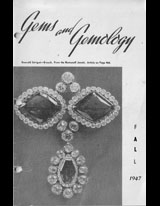
The Travels of the Abbé Carre in India and the Near East
Book
Fawcett, C. and Burn, R. (1947) The Travels of the Abbé Carre in India and the Near East. London, Hakluyt Society, 3 Vols., Second Series, No. 95–97 , 984 pp.
Record No. 4679  |  Sinkankas/Born No.: NIS/NIB  |  RWHL
View Individual Record ↗
The Travels of the Abbé Carré in India and the Near East, 1672 to 1674 is an English translation of the manuscript journal of Barthélemy Carré, a French Catholic priest and traveler whose journeys provide a detailed account of political conditions, commerce, religion, and European colonial rivalry in seventeenth-century India and the Near East. Translated by Lady Fawcett and edited by Sir Charles Fawcett with the assistance of Sir Richard Burn, the work was published by the Hakluyt Society in three volumes between 1947 and 1948. Carré traveled extensively through the territories of the Mughal Empire, the Deccan sultanates, and European trading settlements, recording his experiences and observations of local rulers, merchants, religious communities, transportation, and commercial practices. His narrative is particularly valuable for its contemporary descriptions of the French East India Company’s early attempts to establish itself in India and the fierce competition among French, Dutch, English, and Portuguese interests. The second volume concentrates on Carré’s journey from Bijapur through Golconda and Bhagnagar (Hyderabad) to the Coromandel coast in 1673, followed by his account of French military operations at St. Thomé, near Madras (Chennai), and the conflict involving the kingdom of Golconda and the Dutch. Of particular gemological interest is Carré’s description of the opulent court of Golconda, whose princes and nobles displayed their wealth through jewels and precious stones adorning their persons, elephants, horse harnesses, weapons, and palanquins. He describes the fortified royal city of Golconda and neighboring Bhagnagar as centers of extraordinary wealth and commerce, attracting merchants from many countries. Although Golconda was internationally renowned for its diamond trade and the celebrated diamond-producing districts associated with its kingdom, Carré’s account in this volume emphasizes the visible wealth of the court and the commercial importance of the region rather than providing detailed descriptions of diamond mining or cutting. In discussing the ambitions of the French East India Company, he specifically identifies pearls and diamonds among the valuable commodities that European merchants sought to obtain, alongside spices, textiles, and other luxury merchandise. His descriptions of the Dutch trading establishment at Bhagnagar, its warehouses, commercial privileges, customs arrangements, and extensive trading networks offer valuable evidence of the organization of European commerce in this important Indian market. The narrative also records the movement of merchants and merchandise between Golconda, Surat, Masulipatam, Madras, Ceylon (Sri Lanka), and Southeast Asia, illustrating the commercial connections through which precious stones and other luxury goods could circulate. Carré’s strong French patriotism, religious prejudices, and occasional exaggerations require critical interpretation, a problem addressed in the editors’ extensive historical annotations. The work is an important primary source for the economic and political history of seventeenth-century India, particularly the commercial environment surrounding Golconda during the period of its greatest international reputation as a center of the diamond trade.

The new Linde stars

Journal Article
Holmes, R.J. (1947) The new Linde stars. Gems & Gemology, Vol. 5, No. 11, Fall, pp. 452–454, 478–479.
Record No. 1002  |  ISBN/ISSN: 0016626X  |  Sinkankas/Born No.: NIS/NIB  |  RWHL
View Individual Record ↗
R.J. Holmes examines the newly marketed Linde synthetic star rubies and sapphires, describing their appearance, internal structure, and distinction from natural star corundum. Announced on September 23, the stones were offered as finished cabochons because the rough material was unavailable. Most commercial specimens weighed 4–15 carats and were graded chiefly by color, with the strength, perfection, and orientation of the star also considered. Holmes’s detailed tests centered on one red and one blue specimen, supplemented by examination of additional stones. The most conspicuous features are an unusually intense, sharply defined star with straight rays and a broad, pale belt crossing the cabochon between darker, more transparent ends. Microscopy reveals that the star-producing needles occupy a comparatively thin layer broadly following the upper curved surface. Their restricted distribution explains both the pale belt and the unequal extension of the rays: four continue toward the base, while the remaining pair terminate at the boundaries of the clearer end zones. Rotation against strong transmitted light therefore produces marked changes in transparency. Most specimens examined showed this belt, although two lacked conspicuous banding while retaining unequal transparency. Curved color bands, cloudy curved streaks, and numerous small spherical bubbles provide additional evidence of synthetic origin. Both red and blue stones exhibit dichroism, with the red material showing an unusually strong orange component. At approximately 50× magnification, the pale zone resolves into abundant short needles arranged in three intersecting sets at 60°. Their small size, close spacing, and great number account for the sharp, bright asterism. The stars are generally well centered, and interference figures support identification of the host as uniaxial negative corundum. Rough, curved bases prevented direct refractometer measurements, although immersion behavior was consistent with corundum. Specific gravities of 4.011 for the red specimen and 4.004 for the blue specimen likewise agreed with that identification, while hardness testing placed both between 8 and 9. Holmes distinguishes suggestive visual clues, such as strong color and perfect stars, from more decisive microscopic evidence, especially spherical bubbles, curved color bands, and the shallow concentration of needles. He concludes that the stones are corundum whose asterism arises from oriented inclusions, as in natural material, but emphasizes the different distribution of those inclusions. The manufacturing method remained undisclosed, and Holmes closes by questioning whether these structural differences affect their strict equivalence to natural star rubies and sapphires.

Gemological Digests: German synthetic gem production

Journal Article
Anonymous (1947) Gemological Digests: German synthetic gem production. Gems & Gemology, Vol. 5, No. 10, Summer, pp. 435–436.
Record No. 286  |  ISBN/ISSN: 0016626X  |  Sinkankas/Born No.: NIS/NIB  |  RWHL
View Individual Record ↗
This digest, based on a report in the January 1947 issue of Watchmaker, Jeweller & Silversmith, summarizes German wartime production of synthetic sapphire and spinel, giving particulars of manufacturing capacity, operating conditions, product quality, and an adaptation for industrial use. Two factories are identified: the I.G. Farben plant at Bitterfeld and the Wiedes Karbid Werke at Freyung. Both employed the basic Verneuil process to produce boules. The Freyung installation had 204 burners and a stated capacity of 60,000 carats daily, while the Bitterfeld factory had approximately 300 burners and a somewhat greater capacity. At the time described, aquamarine-colored synthetic spinel accounted for 90 percent of the Wiedes plant’s production. The operating data indicate boule weights of 150–200 carats, growth periods of four to five hours, and cooling periods of half an hour to one hour in the furnace. Powder tapping occurred at a frequency of 60–80 times per minute. Hydrogen consumption was reported as four cubic meters per hour, with a hydrogen-to-oxygen ratio stated as 2:3, and overall powder utilization of 60 percent. These figures accompany a breakdown of production quality: under normal operating conditions, 60 percent of the boules were classified as first quality, 20 percent as second quality, and 20 percent as third quality. The report therefore records both the scale of manufacture and the distribution of its output among commercial grades. Particular attention is given to wartime work by Wilhelm Epler, collaborating with Albert Maucher and Drescher Kaden. A serious shortage of diamond powder prompted them to develop a method for hardening the surfaces of synthetic spinel jewel bearings after the bearings had been fashioned. The resulting bearings could be worked with carborundum powder, whereas corundum required diamond powder. The digest presents this as the most interesting wartime development in the German synthetic industry. It closes by stating that no evidence had been found that the German factories had developed synthetic corundum or spinel in rod form comparable to material being manufactured in the United States.

The Story of Diamonds

Book
Austin, A.C., Mercer, M. and Shipley, R.M. (1946) The Story of Diamonds. Los Angeles, Gemological Institute of America, 101 pp.
Record No. 7709  |  Sinkankas/Born No.: 251  |  RWHL
View Individual Record ↗
A popular illustrated survey of diamonds, developed from the diamond exhibit at Chicago’s Century of Progress Exposition, follows the stone from its natural occurrence through mining, cutting, historical ownership and industrial application. The opening chapter describes diamond as crystalline carbon and introduces its atomic structure, crystal forms, cleavage, hardness, brittleness, specific gravity, colour and optical properties. Refraction, internal reflection and dispersion are explained through familiar comparisons, while fluorescence, X-ray behaviour, irradiation effects and methods of distinguishing diamonds from imitations receive additional attention. The geographical account traces production from India and Brazil to the major African fields, with shorter notices of occurrences elsewhere. Particular emphasis falls on South African discoveries, the development of Kimberley and neighbouring mines, and the recovery of diamonds from river gravels and coastal deposits. An elementary geological discussion relates kimberlite pipes to volcanic activity and explains the erosion, transport and concentration of diamonds in secondary deposits. Mining is presented through a descriptive tour of underground operations, including shafts, haulage, drilling, blasting, stoping, ventilation and measures against dust and water. Subsequent processing involves crushing, screening, gravity concentration, grease-table recovery and sorting. The account also describes African mineworkers’ compounds, employment arrangements and precautions against theft, using the paternalistic racial language and assumptions of its period. The cutting chapter outlines the development of faceted styles and explains the relationship between facet angles and optical performance. It follows a rough stone through examination, sawing or cleaving, rounding, mounting and polishing, and discusses the established cutting centres of Amsterdam and Antwerp. Accounts of famous diamonds, including the Kohinoor, Orlov, Hope and Cullinan, combine descriptions of the stones with stories of conquest, royal ownership, theft and recutting. Industrial applications include grinding-wheel dressing, wire-drawing dies, oil nozzles, core drills, stone saws, glass cutters and precision tools. The concluding chapter surveys the entrepreneurs, engineers and financial organisations behind the modern diamond industry, particularly De Beers and the Diamond Corporation. It explicitly defends coordinated marketing and restrictions on supply as safeguards for diamond prices and owners’ accumulated wealth. Photographs, diagrams, historical illustrations, a selected bibliography and an index support an accessible treatment combining scientific explanation, travel narrative, historical anecdote and promotion of diamonds’ beauty, utility and lasting value.

Identification of synthetic gems, parts I–III
Journal Article
Gübelin, E.J. and Liddicoat, R.T. (1946–7) Identification of synthetic gems, parts I–III. Gems & Gemology, Vol. 5, No. 7, Fall, pp. 349–354 (corundum); No. 9, Spring, pp. 399–402 (corundum); No. 10, Summer, pp. 421–427 (spinel & emerald).
Record No. 5040  |  ISBN/ISSN: 0016626X  |  Sinkankas/Born No.: NIS/NIB  |  RWHL
View Individual Record ↗
This three-part series reviews methods available in 1946–1947 for distinguishing synthetic corundum, spinel, and emerald from their natural counterparts, emphasizing microscopic examination of inclusions and growth structures. R.T. Liddicoat introduces the distinction between a synthetic gem, which reproduces the chemical composition and atomic structure of its natural counterpart, and an imitation marketed under an inaccurate name. Materials sold as synthetic alexandrite, zircon, garnet, or aquamarine are described as corundum or spinel substitutes identifiable by their different properties. For natural and synthetic corundum, however, ordinary refractive-index and density measurements provide little assistance, making internal features particularly important. Natural ruby and sapphire are illustrated by fingerprintlike fluid inclusions, zircon crystals with surrounding fractures, oriented silk intersecting at 60°, and straight or hexagonally arranged growth zoning. Synthetic material produced by the Verneuil process is characterized by spherical or elongated gas bubbles and curved growth striae. The authors explain that nearly flawless specimens require higher magnification, careful control of illumination, examination from different directions, and sometimes immersion to reduce distracting surface reflections. E.J. Gübelin expands the discussion of gas inclusions, describing isolated bubbles, localized clouds, and concentrations following growth layers, while noting that improvements in production reduce their abundance and size. He cautions that subsurface cracks caused by rapid polishing occur in both natural and synthetic corundum and therefore do not establish synthetic origin. The third installment treats synthetic spinel separately because curved striae are absent from the material examined. Its gas inclusions may be spherical, tubular, wormlike, or irregularly elongated, while characteristic strain patterns under crossed polarizers provide further evidence. Gübelin contrasts the cloudy, fibrous, or feathery anomalous birefringence of synthetic spinel with the generally fainter, less sharply defined patterns observed in natural specimens. Synthetic emerald presents a different problem because its slower crystallization can produce straight or hexagonal zoning resembling natural growth. Slightly lower refractive index, density, and birefringence are discussed as supporting distinctions, but microscopic features receive greater practical emphasis. These include scattered minute solid particles, undulating wisps or feathers described as groups of small liquid inclusions containing gas bubbles, irregular cavities, and pronounced strain-related anomalous birefringence. Gübelin treats the identity of the scattered solid particles as uncertain, tentatively suggesting coloring material. Recommended observation methods include dark-field microscopy, transmitted light, crossed polarizers, and immersion, with the lighting selected to reveal particular structures. Spectroscopy and luminescence are mentioned as supplementary approaches when microscopy proves insufficient. Throughout, the series presents identification as a matter of recognizing diagnostic internal features while avoiding conclusions based on ambiguous cracks, superficial resemblance, or the absence of conspicuous imperfections.

Varāhamihira’s Bṛhat Saṁhitā

Book
Varāhamihira, Subrahmanya, P.V. and Bhat, M.R. (1946) Varāhamihira’s Bṛhat Saṁhitā. Bangalore, V.B. Soobbiah & Sons, 2 Vols., 804, 214 pp.
Record No. 5012  |  Sinkankas/Born No.: NIS/NIB  |  RWHL
View Individual Record ↗
Varāhamihira’s Bṛhat Saṁhitā is a seminal Sanskrit encyclopedic text composed in the 6th century CE, reflecting the confluence of science, astrology, geography, meteorology, architecture, and social customs in early classical India. Written by the polymath Varāhamihira, the work comprises over a hundred chapters that explore a wide range of subjects, from celestial omens and planetary motions to water divination, gemology, and rituals. As both a scientific treatise and a cultural document, the Bṛhat Saṁhitā offers valuable insights into the intellectual landscape of Gupta-period India. This abstract surveys the structure, content, and historical significance of the text, highlighting its role in the transmission of knowledge across disciplines and its enduring influence on Indian astronomical and astrological traditions.

[The Gübelin laboratory]

The Gübelin laboratory
Journal Article
Gübelin, E.J. (1946) [The Gübelin laboratory]. Gems & Gemology, Vol. 5, No. 6, Summer, pp. 326–327.
Record No. 2030  |  ISBN/ISSN: 0016626X  |  Sinkankas/Born No.: NIS/NIB  |  RWHL
View Individual Record ↗
This two-page presentation documents the equipment and arrangement of the Gübelin gemological laboratory in Lucerne, Switzerland, through descriptions of its left and right sections. The laboratory is identified as a spacious, well-equipped facility within the E. Gübelin store, complemented by a smaller but complete laboratory in Gübelin’s home. Both are described as settings for his gemological research. The account provides an inventory of instruments rather than reporting a particular investigation, experimental procedure, or set of analytical results. In the left section, the equipment is listed in sequence as a pearl endoscope, pearloscope, pearl fluorescence apparatus adapted from a pearl compass, absorption spectrometer, polarizing microscope, horizontal gemological microscope, and polariscope. This combination places specialized pearl examination alongside spectroscopy and microscopic observation. The right section contains a small gemoscope, ultraviolet lamp, Gemmolux, Zeiss refractometer with a sodium discharge lamp, Rayner refractometer, streak plate, hardness pencils, detectoscope, dichroscope, hydrostatic balance, density liquids, liquids for surface testing, and Newton scales. Gem tables are also noted on the wall at the extreme left. The inventory brings together several complementary approaches to gemstone examination: magnification, observation with polarized light, absorption spectroscopy, fluorescence testing, refractive-index measurement, dichroscopic observation, density determination, and tests involving hardness, streak, and surface properties. The inclusion of both a hydrostatic balance and density liquids records provision for different methods of investigating density, while the two refractometers document the availability of instruments from different manufacturers. Pearl-testing apparatus forms a distinct part of the equipment, demonstrating that the laboratory’s scope extended beyond the examination of transparent colored stones. By specifying the instruments in their physical order, the accompanying descriptions connect individual items with the laboratory’s overall arrangement. The presentation thus records the range of tools available to Gübelin in 1946 and the coexistence of specialized optical apparatus with conventional physical testing equipment. Its principal contribution is a contemporary description of the facilities supporting his gemological work, rather than an explanation of how each instrument was operated or evidence of the results obtained with it.

Jewels of the Russian Diamond Fund

Journal Article
Fersman, A.E. (1946–47) Jewels of the Russian Diamond Fund. Gems & Gemology, Trans. by Marie Pavlovna Warner, Vol. 5, Part I: No. 8, Winter, pp. 363, 372–376; Part II: No. 9, Spring, pp. 403–405; Part III: No. 10, Summer, pp. 432–434; Part IV: No. 11, Fall, pp. 467–470.
Record No. 760  |  ISBN/ISSN: 0016626X  |  Sinkankas/Born No.: NIS/NIB  |  RWHL
View Individual Record ↗
Drawing on his examination of the Russian Diamond Fund, A.E. Fersman combines descriptions of exceptional gemstones and jewelry with historical narratives, mineralogical observations, and personal recollections. Translated by Marie Pavlovna Warner, the four installments present the collection as a record of gemstone sources, craftsmanship, royal patronage, and the movement of treasures between countries. The opening survey describes notable diamonds, including the Orlov and Shah, alongside colored diamonds, large emeralds, sapphires, rubies, spinels, tourmalines, and pearls. Fersman distinguishes natural color from effects produced by settings, explaining that the reputedly red diamond associated with Paul I owes its strong appearance to colored backing rather than an inherently ruby-red body color. He also questions historical accounts of enormous rubies, suggesting that some celebrated red stones were actually spinel or tourmaline. His appreciation of jewelry emphasizes composition and workmanship rather than gemstone quality alone: eighteenth-century artists could combine imperfect or relatively inexpensive stones into outstanding designs. Examples include emerald-and-diamond bouquets with flexible stems and moving flowers, a diamond rivière, a fountain-shaped aigrette, and floral ornaments employing yellow and white diamonds. The third installment concentrates on three historically significant diamonds. A flat portrait diamond illustrates the preservation of a large transparent surface and the technical uses of similarly shaped stones. Fersman argues that the Orlov and Koh-i-Noor are separate stones, rejecting accounts that confuse their histories, and relates his reconstruction of the Orlov’s Indian origin, subsequent ownership, and acquisition for Catherine II. The Shah diamond’s engraved inscriptions provide a framework for tracing its passage through Indian and Persian courts and its eventual presentation to Russia following the killing of the diplomat and writer A.S. Griboyedov. The concluding installment returns to the distinction between historical names and mineral identity, identifying Catherine II’s celebrated large “ruby” as rubellite on the basis of appearance, color, and density evidence. It then broadens beyond the Diamond Fund to discuss lapis lazuli from Afghanistan and the Pamirs, including an expedition’s encounter with high-altitude deposits and Fersman’s recollection of a carved lapis elephant given to Amanullah Khan. The final narrative concerns the large emerald associated with Yakov Ivanovich Kakovin, tracing its discovery in the Urals, disputed custody, incorporation into a private collection, and eventual preservation in the Academy of Sciences’ mineralogical museum. Throughout, Fersman treats gemstones as scientific specimens and cultural objects whose significance depends on mineral identity, artistic treatment, provenance, and the reliability of historical testimony.

The Moonstone

Book
Collins, W. (1946) The Moonstone. Garden City, NY, Doubleday & Co., 444 pp.
Record No. 166  |  Sinkankas/Born No.: NIS/NIB  |  RWHL
View Individual Record ↗
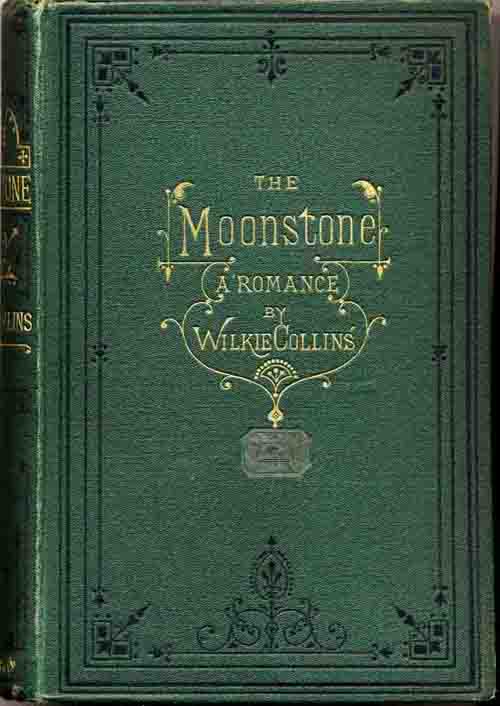
Wilkie Collins’s The Moonstone, first published in 1868, is a pioneering English detective novel centered on the theft of a magnificent yellow diamond and the mystery surrounding its disappearance. The story begins during the British assault on Seringapatam (Srirangapatna), India, in 1799, when Colonel John Herncastle acquires a celebrated diamond under circumstances suggesting murder and plunder. According to the fictional history recounted in the novel, the diamond originally adorned the forehead of a Hindu moon deity and was guarded for centuries by hereditary Brahmin priests. Its name, the Moonstone, derives from its unusual yellow color and the belief that its brilliance waxes and wanes with the phases of the moon. Collins carefully distinguishes this diamond from the semitransparent gemstone moonstone, which was likewise associated in ancient European traditions with lunar influences. The diamond’s history encompasses the temples of Somnath and Benares (Varanasi), successive military conquests, and the determination of its religious guardians to preserve or recover the sacred jewel. Herncastle eventually bequeaths the diamond to his niece, Rachel Verinder, who receives it on her eighteenth birthday at her family’s Yorkshire estate. When the gem disappears from her bedroom that night, suspicion falls upon several members of the household and a group of Indian visitors believed to be searching for the stone. Sergeant Cuff, a celebrated detective, is called upon to investigate, but the circumstances surrounding the theft prove unusually complicated. The narrative unfolds through the testimony of several characters, each offering a different perspective on the mystery and revealing the prejudices, assumptions, and personal interests that influence their accounts. Of particular gemological interest are the descriptions of the diamond’s remarkable size, yellow color, supposed supernatural properties, and considerable monetary value. Collins also introduces the commercial realities of the nineteenth-century diamond trade, including valuation, the significance of flaws, and the possibility of recutting a large, recognizable diamond into smaller stones to facilitate its disposal. The contrast between the diamond’s enormous financial value in England and its sacred significance in India provides an important underlying theme. The novel also reflects contemporary European fascination with famous Indian diamonds, particularly those associated with royal treasuries, warfare, and colonial acquisition. Although the Moonstone itself is fictional, its history evokes the complicated movements of celebrated gems between Indian rulers and European collectors. Beyond its gemological interest, the novel is notable for its sophisticated construction, distinctive narrators, psychological observations, and early use of investigative techniques that subsequently became conventions of detective fiction. The Moonstone remains a significant literary treatment of gemstones as objects of wealth, religious devotion, political power, and personal obsession, while offering a revealing perspective on nineteenth-century British attitudes toward India and its precious stones.

Pliny on the smaragdus

Journal Article
Meadows, J.W. (1945) Pliny on the smaragdus. Classical Review, Vol. 59, pp. 50–51.
Record No. 28817  |  Sinkankas/Born No.: NIS/NIB  |  RWHL
View Individual Record ↗
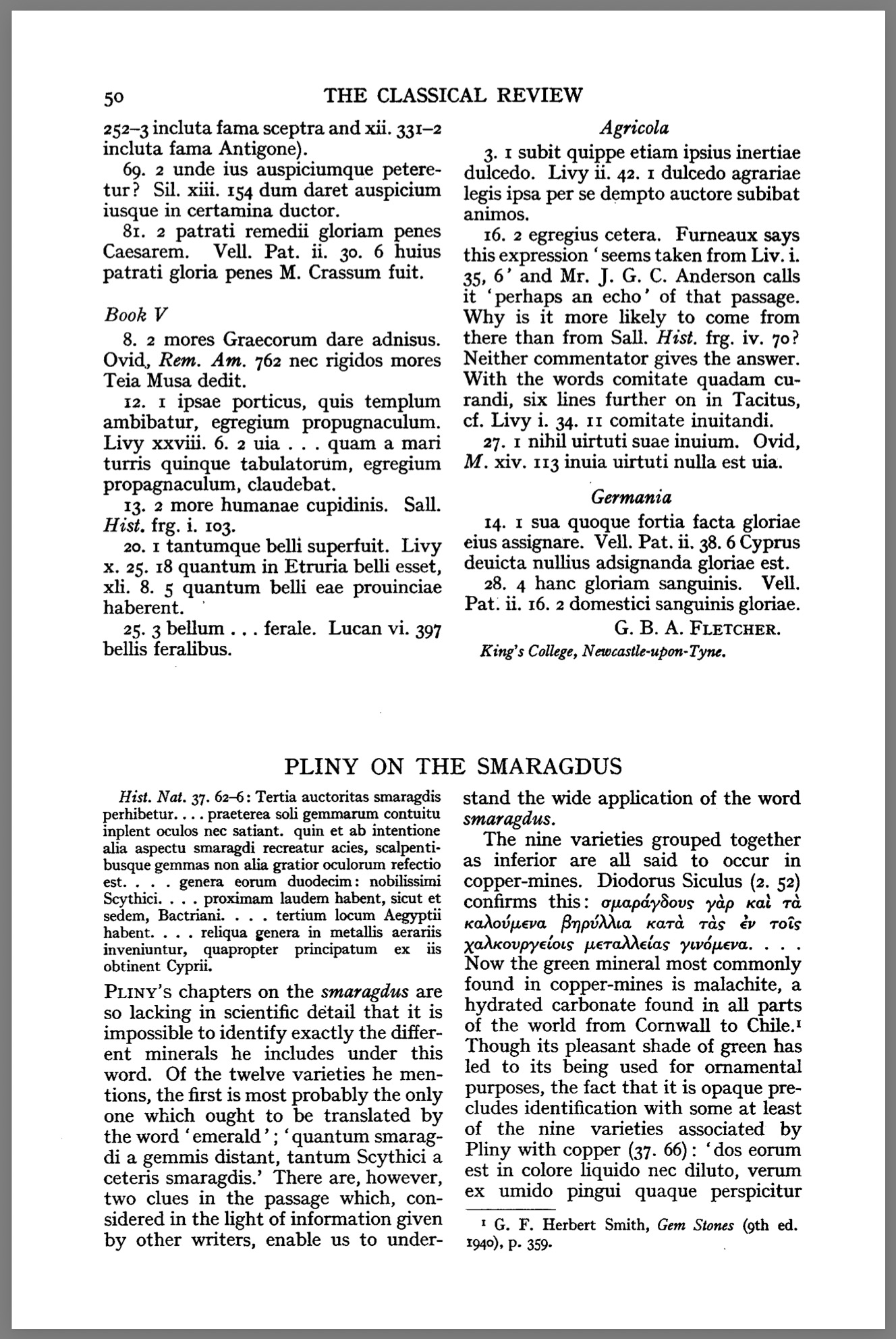
Pliny the Elder’s chapters on the smaragdus are so lacking in scientific detail that it is impossible to identify exactly the different minerals he includes under this term. Of the twelve varieties he mentions, the first is most probably the only one that ought properly to be translated as “emerald”: quantum smaragdi a gemmis distant, tantum Scythici a ceteris smaragdis. There are, however, two clues in the passage which, considered in light of information provided by other writers, help explain the broad application of the word smaragdus. The mineral in question may have been a hydrated carbonate found in many parts of the world, from Cornwall to Chile. Although its pleasing green color led to its use for ornamental purposes, its opacity excludes identification with at least some of the nine varieties associated by Pliny with copper (37.66): dos eorum est in colore liquido nec diluto, verum ex umido pingui quaque perspicitur.

Introductory Gemology

Book
Webster, R. and Hinton, V.V. (1945) Introductory Gemology. Los Angeles, Gemological Institute of America, Vol. 5 , 181 pp.
Record No. 4678  |  Sinkankas/Born No.: 7103  |  RWHL
View Individual Record ↗
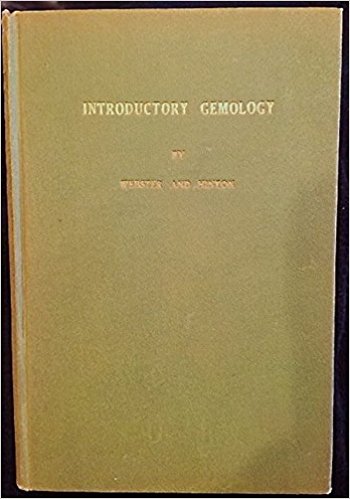
An introductory manual of gem identification for students and practising jewellers, this American revision of Robert Webster’s Practical Gemmology combines elementary scientific explanation with descriptions of testing instruments and concise reference accounts of gem materials. Virginia V. Hinton’s revisions adapt the work to American practice, adding information on equipment, terminology and commercial standards. The opening chapters introduce the qualities underlying gem value and distinguish minerals, rocks, crystals, crystalline aggregates and amorphous substances. Elementary crystallography explains crystal systems, symmetry, axes and twinning, relating internal structure to optical behaviour, identification and cutting. Physical properties include cleavage, fracture, hardness and lustre, followed by detailed treatment of specific gravity and its determination through hydrostatic weighing, heavy liquids and other methods. The optical chapters explain reflection, refraction, total internal reflection, dispersion, polarisation and double refraction before describing refractometers and alternative methods of measuring refractive index. Colour is treated as an aid requiring confirmation by instrumental testing, with discussions of pleochroism, dichroscopes, absorption spectra, colour filters, fluorescence and phosphorescence. A chapter on microscopy covers magnification, illumination and the examination of features useful in identifying gems and their substitutes. The principal gem species are then summarised through chemical composition, crystallography, diagnostic constants, appearance, varieties and geographical occurrence. Expanded diamond coverage discusses inclusions and surface blemishes, cutting proportions, the meaning of flawless, and the importance of standard magnification and controlled lighting in clarity and colour assessment. Subsequent chapters distinguish synthetic gems from imitations, describe their production and recognition, and examine glass, plastics, assembled stones and artificially induced colour. Cutting styles are explained in relation to the appearance and optical properties of fashioned stones. Organic materials receive separate treatment, especially pearls, their formation, cultivation, imitations and methods of distinguishing cultured from natural examples. Coral, amber, jet, tortoiseshell and ivory are also described, followed by unusual gem species and ornamental, decorative and curio stones. Diagrams, photographs, tables of constants, chapter recapitulations, test questions and answers support instruction and reference use. The emphasis throughout is on accessible principles and practical discrimination, with more intricate scientific tests deliberately left to advanced works.

Inclusions as a means of identification
Journal Article
Gübelin, E.J. (1945) Inclusions as a means of identification. Gems & Gemology, Vol. 5, 1945: No. 2, Summer, pp. 226–231 (garnet); No. 3, Fall, pp. 242–247 (garnet); No. 4, Winter, pp. 270–274 (garnet),
Record No. 2029  |  ISBN/ISSN: 0016626X  |  Sinkankas/Born No.: NIS/NIB  |  RWHL
View Individual Record ↗
Gübelin examines the diagnostic value of inclusions in garnets, arguing that their internal mineral associations can provide a rapid means of identifying stones whose outward appearance resembles other gems. Such associations also preserve evidence of the circumstances of crystallization. The practical benefits are particularly apparent when instruments are unavailable or when numerous small stones require sorting, making individual measurements of specific gravity and optical properties laborious. Illustrated with 22 photomicrographs, the three installments describe characteristic features of demantoid, hessonite, pyrope, almandine, rhodolite, and spessartine. In demantoid, Gübelin reports fine brown or colorless fibers, identified in the article as byssolite, arranged in curved bundles, radiating clusters, or irregular tangles. These conspicuous inclusions help distinguish the green garnet from emerald and peridot and may be recognizable with a pocket loupe. Hessonite is characterized by numerous enclosed diopside crystals and streaks that produce its granular, internally oily appearance, providing a distinction from similarly colored zircon, tourmaline, citrine, and glass. Pyrope, almandine, and rhodolite are less readily separated from one another by inclusions, although their internal features assist in distinguishing them from other red and purple gemstones. Gübelin describes dark needles and rods, tentatively attributed to hornblende, arranged in three dimensions according to the host’s crystallography, contrasting this arrangement with the predominantly planar distribution of rutile silk in corundum. Other examples include thin birefringent tablets, sharply formed quartz crystals in Bohemian garnets, and circular arrangements of unidentified crystals possibly representing augite. Sri Lankan almandines contain abundant minute crystals, tubular liquid inclusions, and zircon crystals surrounded by radiation halos; specimens from near Trincomalee are described as densely packed with coarse hornblende inclusions. The concluding installment considers the concentric discoloration rings surrounding radioactive zircon inclusions. Gübelin suggests that differences in the range of alpha particles within different host minerals might eventually provide an additional diagnostic criterion, while presenting this as a preliminary research possibility requiring further investigation. Spessartine is distinguished by wavy, irregular feathers composed of minute liquid inclusions, occurring singly or in bundles and resembling fluid feathers in rubellite. Examination with a polarizing microscope, or a Diamondscope combined with a polariscope, also reveals the gratinglike extinction patterns attributed to strain-induced anomalous birefringence in garnet. Although acknowledging that inclusion study cannot identify every specimen, especially flawless material, Gübelin advocates familiarity with these internal features as an efficient way to reduce identification errors, using both microscopy and an ordinary jeweler’s loupe.

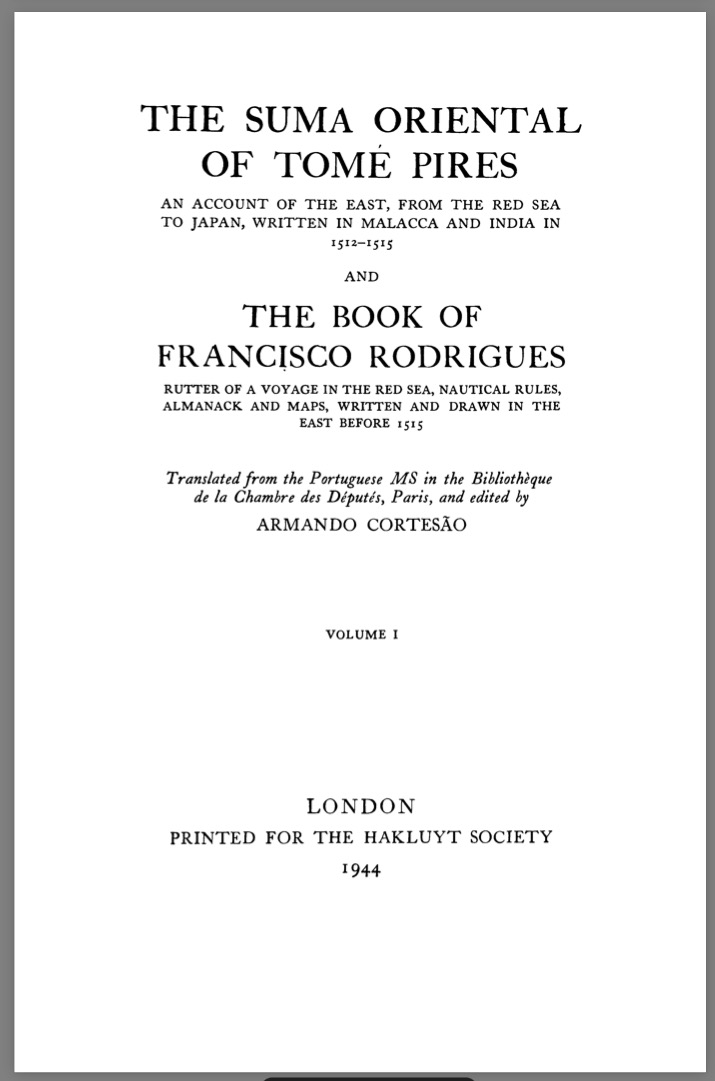
The Yamanaka Library on Far Eastern Art
Catalog
Yamanaka & Company (1944) The Yamanaka Library on Far Eastern Art. New York: Parke-Bernet Galleries, Inc.
Record No. 30007  |  Sinkankas/Born No.: NIS/NIB  |  RWHL
View Individual Record ↗
The Yamanaka Library on Far Eastern Art is an auction catalogue documenting the reference library of Yamanaka & Company, one of the most influential international dealers in Chinese and Japanese art during the late nineteenth and early twentieth centuries. Published by Parke-Bernet Galleries in New York as Sale No. 576, the catalogue was prepared for a public auction held on June 6–7, 1944, by order of the Alien Property Custodian of the United States, following the seizure of the American assets of the Japanese-owned firm during the Second World War. The library had been assembled for the use of Yamanaka’s New York and Boston establishments and contained specialized publications relating to Chinese and Japanese art, archaeology, craftsmanship, and collecting. Its contents included books on jade, lacquer, ceramics, porcelain, bronze vessels, sculpture, painting, prints, and other decorative arts, together with exhibition catalogues, publications issued by Yamanaka & Company, and works on Japanese flower arrangement. The collection reflects the scholarly resources available to a major international art dealership whose activities helped shape Western appreciation and collecting of East Asian antiquities. Particularly important for the history of jade are the publications devoted to Chinese carved hardstones, ancient ritual objects, imperial collections, archaeological discoveries, and the classification and interpretation of jade artifacts. Such works were essential references for dealers and collectors attempting to establish the age, authenticity, artistic significance, and value of Chinese jades. The library also documents the importance of illustrated catalogues, museum publications, and specialist monographs in disseminating knowledge of East Asian art to Western audiences. The inclusion of Chinese bronzes, ceramics, and other antiquities provides a broader context for understanding how jade was studied alongside related categories of Chinese material culture. Beyond its bibliographic value, the catalogue is significant as a record of the dispersal of an important commercial reference library during wartime. The forced liquidation of Yamanaka’s American holdings formed part of a wider series of auctions involving the firm's art collections and commercial stock. These sales marked a major disruption in the international trade in East Asian art and dispersed objects and scholarly resources accumulated through decades of collecting and dealing. For historians of gemology, art collecting, and the antiquarian book trade, the catalogue provides evidence of the literature used by one of the principal dealers in Chinese jade and other Asian works of art. It is also potentially useful for identifying rare publications, tracing bibliographic editions, and reconstructing the scholarly foundations of early twentieth-century Western connoisseurship of Chinese and Japanese art. Although the complete catalogue has not been examined, its documented scope and provenance establish its importance as a historical record of a specialized art reference library and the international trade in East Asian antiquities.

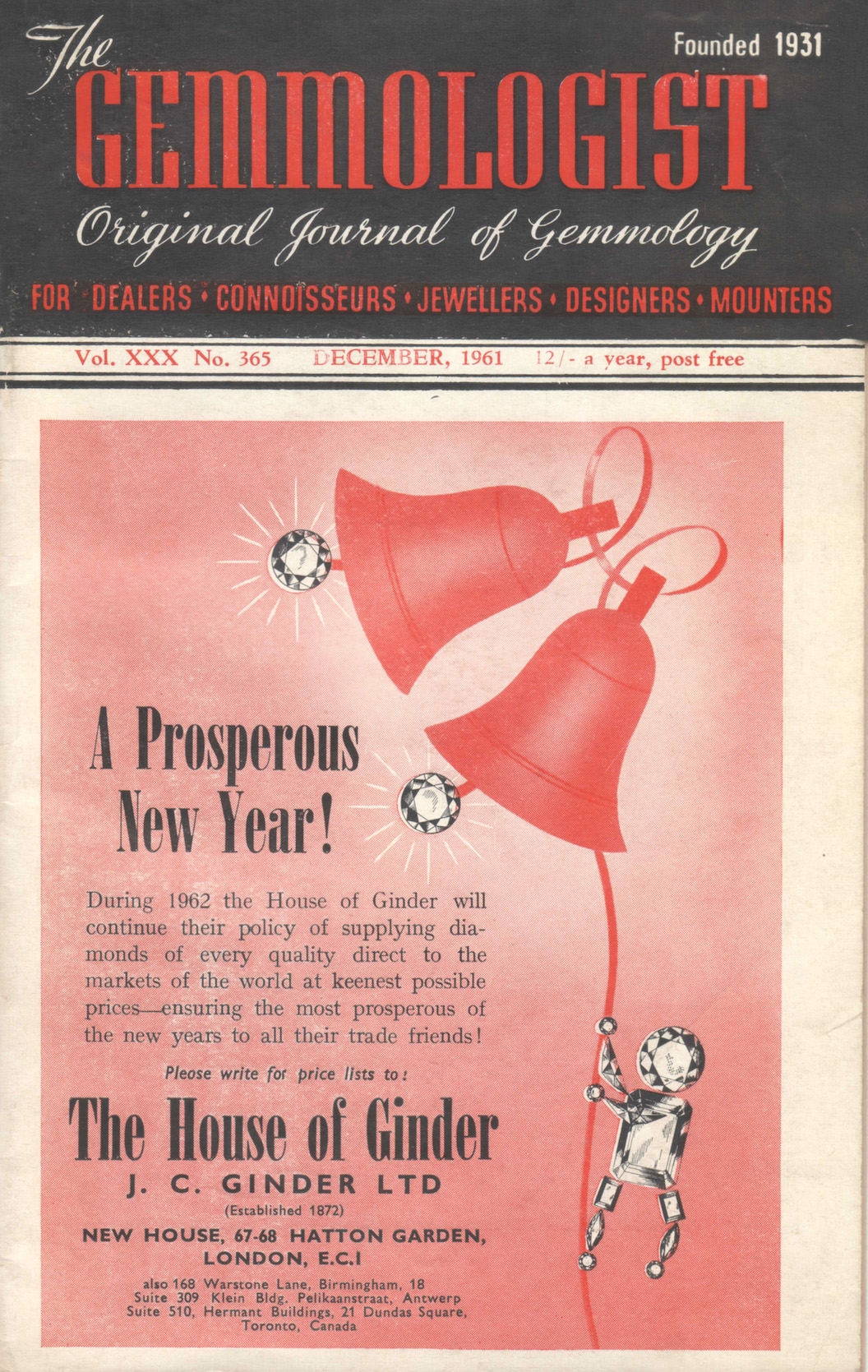
The Suma Oriental of Tomé Pires and the Book of Francisco Rodrigues
Book
Pires, T. and Rodrigues, F. (1944) The Suma Oriental of Tomé Pires and the Book of Francisco Rodrigues. London, Hakluyt Society, 2 Vols., Vol. 1, Series 2
Record No. 7664  |  Sinkankas/Born No.: NIS/NIB  |  RWHL
View Individual Record ↗
A major scholarly edition and English translation of two important early sixteenth-century Portuguese accounts of maritime Asia, edited and annotated by Armando Cortesão. Tomé Pires’s Suma Oriental, composed principally between 1512 and 1515, provides one of the earliest comprehensive European descriptions of the geography, peoples, political organization, commerce, and trading networks of Asia, extending from the Red Sea and Persian Gulf through India, Ceylon, Burma, Siam, Malacca, Sumatra, Java, and the Spice Islands to China and Japan. Written shortly after the Portuguese conquest of Malacca in 1511, the work draws upon Pires’s firsthand observations and information obtained from Asian merchants, navigators, and officials. Particularly valuable are its detailed descriptions of commercial ports, maritime routes, merchandise, currencies, customs duties, and the complex relationships among Arab, Persian, Indian, Malay, and Chinese trading communities. Of special gemological interest are references to the trade in diamonds, rubies, sapphires, pearls, and other precious stones, including the importance of Ceylon, Burma, and Indian commercial centers in supplying gems to regional and international markets. Pires describes the commercial importance of precious stones alongside spices, textiles, metals, porcelain, aromatics, and other luxury commodities, providing evidence for the extensive exchange networks that connected South and Southeast Asia with China and the Middle East before European maritime dominance. The accompanying Book of Francisco Rodrigues reproduces and translates the writings, sailing directions, and cartographic materials of a Portuguese pilot active in Southeast Asia during the same period. Rodrigues’s navigational observations and maps document coastlines, islands, harbors, and sea routes, particularly around the Malay Peninsula, Sumatra, Java, and the eastern Indonesian archipelago. Cortesão’s extensive introduction, commentary, geographical identifications, and historical notes place both works within the context of Portuguese exploration and the expansion of European knowledge of Asia. Together, these documents constitute fundamental primary sources for the history of Indian Ocean commerce, early European encounters with Asian societies, and the movement of gemstones and other valuable commodities through the maritime trading networks of the early sixteenth century.

Coral: Its occurrence and collection

Journal Article
Halford-Watkins, J.F. (1944) Coral: Its occurrence and collection. The Gemmologist, Vol. 13, No. 153–155, April, May, June, pp. 39–41, 47, 55.
Record No. 2457  |  Sinkankas/Born No.: NIS/NIB  |  RWHL
View Individual Record ↗

The cleavage in crystals

Journal Article
Halford-Watkins, J.F. (1944) The cleavage in crystals. The Gemmologist, Vol. 13, No. 150, January, pp. 21–22, 24.
Record No. 2456  |  Sinkankas/Born No.: NIS/NIB  |  RWHL
View Individual Record ↗

Building a Gemological Library

Gemological books range from general identification manuals and textbooks to specialized works on individual gems, mineralogy, jewelry, treatments, synthesis, history and gem-producing regions.

For a curated selection of particularly useful books, read The Gemologist's Core Library — Classic Books on Gemology, Jewelry and Mineralogy.

About Four Treasures

Four Treasures is Lotus Gemology's freely accessible gemological reference database. Use the full database to search by author, title or keyword and explore literature on gemology, mineralogy, jewelry and related fields. Where available, hyperlinks on titles may lead directly to the full publication.

Search the Complete Four Treasures Database