Gemology Books Bibliography

Gemology Books Bibliography

Explore books on gems, gemology, jewelry and mineralogy in Four Treasures, the Lotus Gemology reference database. This bibliography brings together matching book records from the collection, with publication details, abstracts and cover images where available.

Gemology Book References

The list below matches books concerning gemology and related subjects in the database's searchable fields. Some works cover several branches of gems, jewelry or mineralogy.
3,401–3,420 of 3,595 matching references

Sapphires and rubies from Laos

Conference Paper
Bosshart, G. (1995) Sapphires and rubies from Laos. 25th International Gemmological Conference Program, Rayong, Thailand pp. 23–26.
Record No. 2859  |  Sinkankas/Born No.: NIS/NIB  |  not seen

Zur deutschsprachigen Rezeption der naturkundliche Schriften des Thomas von Cantimpré und Albertus Magnus. Zum Steinbuch der Salzburger Handschrift M. III 3

On the German-language reception of the scientific writings of Thomas of Cantimpré and Albertus Magnus: On the book of stones in the Salzburg manuscript M. III 3
Book Section
Schnell, B. (1994) Zur deutschsprachigen Rezeption der naturkundliche Schriften des Thomas von Cantimpré und Albertus Magnus. Zum Steinbuch der Salzburger Handschrift M. III 3. [On the German-language reception of the scientific writings of Thomas of Cantimpré and Albertus Magnus: On the book of stones in the Salzburg manuscript M. III 3] In: Licht der Natur. Medizin in Fachliteratur und Dichtung. Festschrift für Gundold Keil zum 60. Geburtstag, Göppinger Arbeiten zur Germanistik, 585, Göppingen, pp. 421–422.
Record No. 27969  |  Sinkankas/Born No.: NIS/NIB  |  Language: in German  |  not seen
Examines the German-language reception of the natural-history writings of Thomas of Cantimpré and Albertus Magnus through the lapidary preserved in Salzburg University Library manuscript M III 3. The study considers this book of stones within the transmission of medieval learned knowledge into the vernacular and includes an edition of the text on folios 271vb–273ra.
Archaeology of Tamil Nadu (Kongu Country)
Archaeology of Tamil Nadu (Kongu Country)

Book
Rajan, K.G. (1994) Archaeology of Tamil Nadu (Kongu Country). Delhi, Book India Publishing, 182 pp.
Record No. 27372  |  Sinkankas/Born No.: NIS/NIB  |  not seen

Führer durch das Deutsche Edelsteinmuseum
Guide through the German Gemstone Museum
Book
Bank, H. (1994) Führer durch das Deutsche Edelsteinmuseum. [Guide through the German Gemstone Museum] Heidelberg, Vereinigung der Freunde der Mineralogie und Geologie, 128 pp.
Record No. 429  |  Sinkankas/Born No.: NIS/NIB  |  Language: in German  |  not seen
An illustrated guide to the German Gemstone Museum in Idar-Oberstein, combining a systematic account of its displays with an introductory gemological handbook. Opening sections outline the museum’s history and the development of the local gemstone industry. Gem materials are arranged by chemical classification, with descriptions of composition, crystal system, physical and optical properties, geological occurrence, and principal sources. Further sections cover synthetic materials and imitations, cutting and carving, gemstone nomenclature, and species discovered during the twentieth century. Comparative tables summarize properties and materials liable to be confused with one another.

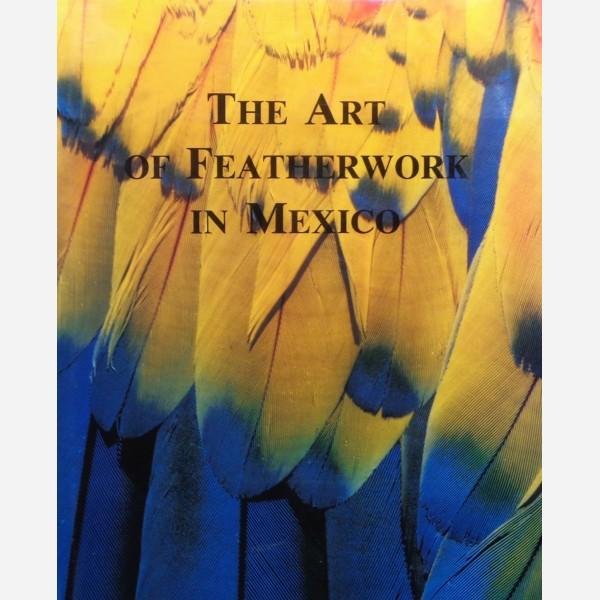
The Art of Featherwork in Mexico

Book
Castello Yturbide, T. (1993) The Art of Featherwork in Mexico. Mexico City, Fomento cultural Banamex, 255 pp.
Record No. 28651  |  ISBN/ISSN: 9789690000000  |  Sinkankas/Born No.: NIS/NIB  |  not seen
Featherworks were among the most highly prized objects in the early post-Conquest period. Hernan Cortes sent feathered objects to Holy Roman Emperor Charles V to dazzle him with their richness and unique qualities. Others, like Diego de Soto, carried packages of featherworks from New Spain to Spain to give to Charles V soon after the Spanish Conquest. Many featherworks found their way into cabinets of curiosities throughout Europe, no doubt collected because they symbolized the exotic “New World” across the Atlantic. Still today, feathered goods like the so-called Headdress of Moctezuma are some of the most prized possessions of European museums.
The Liber Lapidum of Marbode of Rennes and Its First French Translation
The Liber Lapidum of Marbode of Rennes and Its First French Translation

Thesis
Kahn, S. (1993) The Liber Lapidum of Marbode of Rennes and Its First French Translation. Oxford University
Record No. 27932  |  Sinkankas/Born No.: NIS/NIB  |  not seen

La météorologie en français. Réception des Météorologiques d’Aristote (XIIIᵉ et XIVᵉ siècles)
Meteorology in French: Reception of Aristotle’s Meteorologica (13ᵗʰ and 14ᵗʰ centuries)
Book
Ducos, J. (1993) La météorologie en français. Réception des Météorologiques d’Aristote (XIIIᵉ et XIVᵉ siècles). [Meteorology in French: Reception of Aristotle’s Meteorologica (13ᵗʰ and 14ᵗʰ centuries)] Paris, Honoré Champion
Record No. 27888  |  ISBN/ISSN: 9782850000000  |  Sinkankas/Born No.: NIS/NIB  |  Language: in French  |  not seen
The object of this research is to investigate the mediaeval reception in French of Aristotle’s Meteorologica. Through a comparative examination of French and Latin translators ‘practices in the 13th and 14th centuries, a preliminary analysis of the difficulties of the translation from Aristotle is carried out, bringing to light the mediaeval definition of an Aristotelian text. A lexis of meteorology gradually forms up and the semantic field of air exemplifies the alterations in the language induced by those translations. The scholastic reading of Meteorologica reveals a multifarious questioning, while meteorology seems a merely marginal concern. Rational reflection on hydrometeors and wind however takes shape, involving original developments, and indue course, the observation of the real as well. On the contrary, the French Encyclopaedia, in constructing a synthesis of all cultures, apparently does not popularize the newest advances of knowledge. In fact, as an echo of the disputes of scholastics, it requires several levels of reading. French meteorology thus appears as the outcome of a cultural encounter rather than the reflection of popular lore. It evidences how difficult it was for Aristotelian theories to be assimilated, on account of epistemological obstacles and of a still present underlying symbolism. Nevertheless, thanks to Aristotle, a French discourse on meteorology was building up.

Lapis-lazuli beads in Susa and Central Asia: A preliminary study
Book Section
Casanova, M. (1993) Lapis-lazuli beads in Susa and Central Asia: A preliminary study. In: South Asian Archaeology 1993: Proceedings of the Twelfth International Conference of the European Association of South Asian Archaeologists held in Helsinki, Annales Academiae Scientarum Fennicae, Seri.es B, vol. 271, Helsinki: Suomalainen Tiedeakatemia
Record No. 27749  |  ISBN/ISSN: 9789510000000  |  Sinkankas/Born No.: NIS/NIB  |  not seen

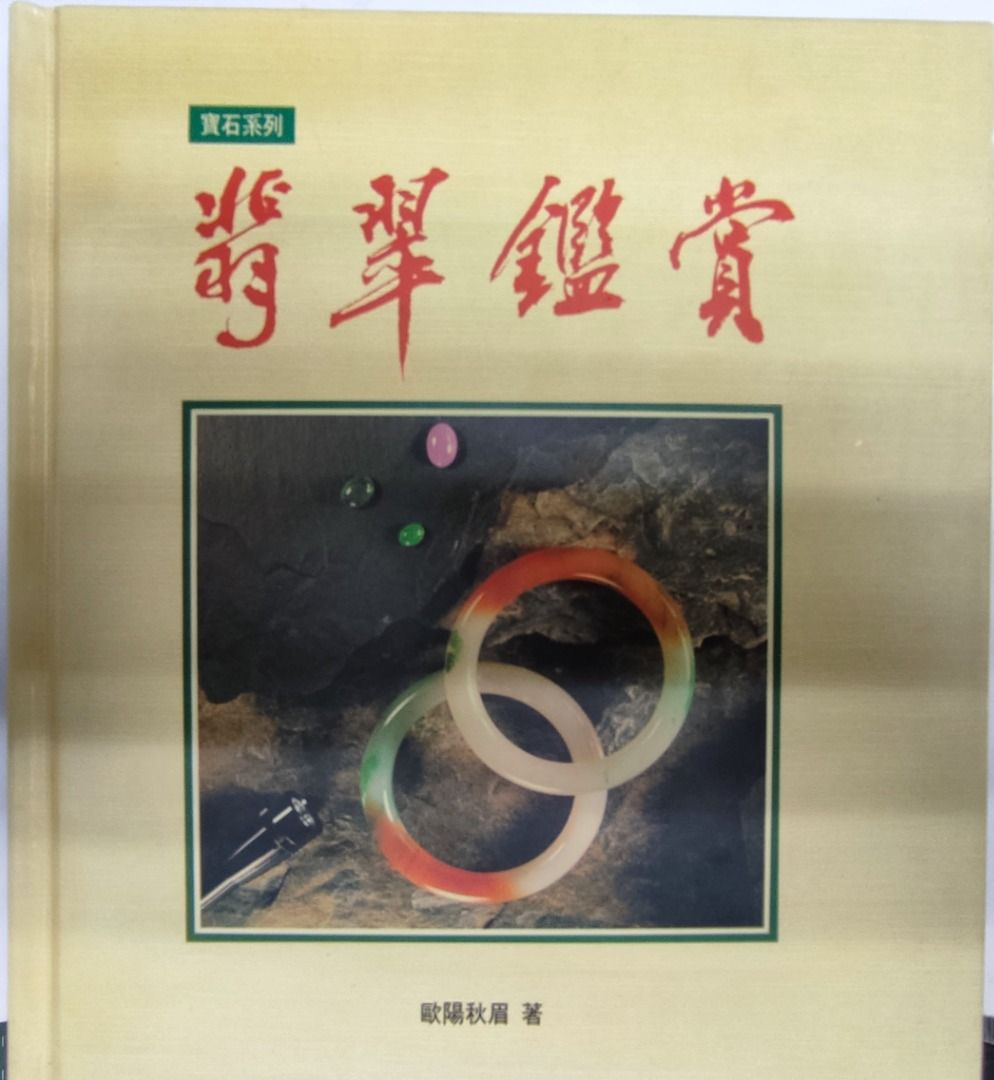
An Appreciation of Fei Cui

翡翠鉴赏
Book
Ouyang, C.M. (1993) An Appreciation of Fei Cui. [翡翠鉴赏] Hong Kong, Cosmos Books, 191 pp.
Record No. 6773  |  ISBN/ISSN: 9622575846, 9789622575844  |  Sinkankas/Born No.: NIS/NIB  |  Language: in Chinese  |  not seen
An introduction to the appreciation, identification, and valuation of fei cui. Topics include flaws, artificial treatments and their detection, methods of assessing value, and examples of exceptional material. The book combines gemological examination with the practical concerns of collectors and buyers.

Mineral inclusions in gemstones recently observed, analyzed and identified
Conference Paper
Gübelin, E.J. (1993) Mineral inclusions in gemstones recently observed, analyzed and identified. XXIV International Gemmological Conference, Paris S. 85.
Record No. 3114  |  Sinkankas/Born No.: NIS/NIB  |  not seen

Anwendung der UV-Strahlung in der Gemmologie

Application of UV radiation in gemmology
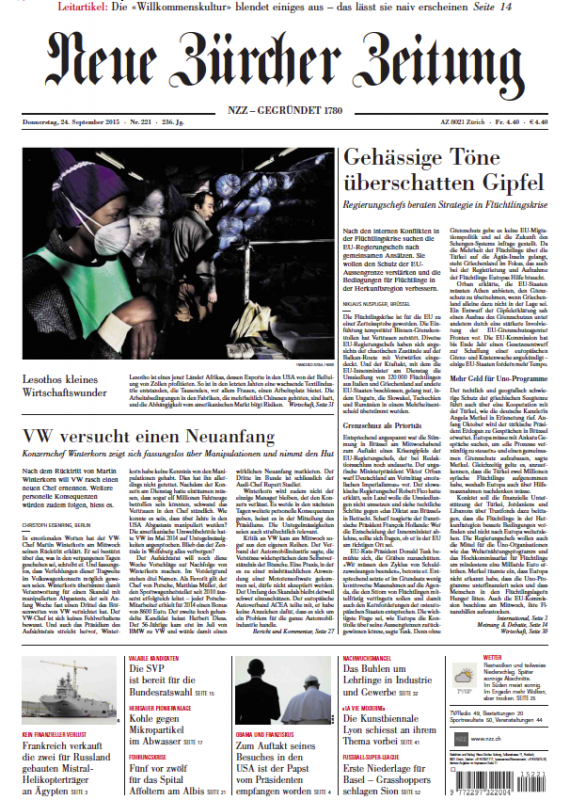
Newspaper Article
Gübelin, E.J. (1993) Anwendung der UV-Strahlung in der Gemmologie. [Application of UV radiation in gemmology] Neue Zürcher Zeitung, No. 92, 22-Apr, Zürich
Record No. 2196  |  Sinkankas/Born No.: NIS/NIB  |  Language: in German  |  not seen
An overview of the application of ultraviolet radiation in gemology, introducing its use as a tool for examining gemstones.

Oro, Jade, Boques: Costa Rica

Gold, Jade, Forests: Costa Rica
Book
Calvo Mora, M., Bonilla Vargas, L. and Sanchez Perez, J. (1992) Oro, Jade, Boques: Costa Rica. [Gold, Jade, Forests: Costa Rica], FISA, Escudo de Oro, 156 pp.
Record No. 28594  |  ISBN/ISSN: 9788440000000  |  Sinkankas/Born No.: NIS/NIB  |  Language: in Spanish  |  not seen
This exhibition catalogue presents Costa Rica’s pre-Columbian heritage through gold ornaments and carved jade, relating these objects to the country’s forests and wildlife. Human and animal imagery—including frogs, bats, deer and felines—connects indigenous artistic production with its natural environment. Drawing on Costa Rican museum collections, the exhibition accompanied the country’s presentation at Seville’s Expo ’92.

South Asian Archaeology 1989: Papers from the Tenth International Conference of South Asian Archaeologists in Western Europe, Musée National Des Arts Asiatiques-Guimet, Paris, France, 3-7 July 1989
Edited Book
Jarrige, C., Gerry, J.P. and Meadow, R.H., editor (1992) South Asian Archaeology 1989: Papers from the Tenth International Conference of South Asian Archaeologists in Western Europe, Musée National Des Arts Asiatiques-Guimet, Paris, France, 3-7 July 1989.. Madison, WI, Prehistory Press, 483 pp..
Record No. 27748  |  ISBN/ISSN: 9781880000000  |  Sinkankas/Born No.: NIS/NIB  |  not seen
Presents 57 papers from the tenth International Conference of South Asian Archaeologists in Western Europe, Musee National des Arts Asiatiques-Guimet, Paris, France, 3–7 July 1989. The text comprises 36 papers on archaeology (early lithic cultures; Mohenjo-Daro and Harappa; settlements and objects of Chalcolithic and Bronze Age cultures; pottery, environmental evidence) and 21 papers on art history (sculpture; paintings; terracottas; coins from the 1st to the 17th centuries AD).

The sources of the lapis lazuli found in Iran
Book Section
Casanova, M. (1992) The sources of the lapis lazuli found in Iran. In: South Asian Archaeology 1989: Papers from the Tenth International Conference of South Asian Archaeologists in Western Europe, Musée National Des Arts Asiatiques-Guimet, Paris, France, 3-7 July 1989, Monographs in World Archaeology 14, Madison, WI: Prehistory Press, pp. 49–56.
Record No. 27747  |  Sinkankas/Born No.: NIS/NIB  |  not seen

The faking of gems in the eighteenth century
Book Section
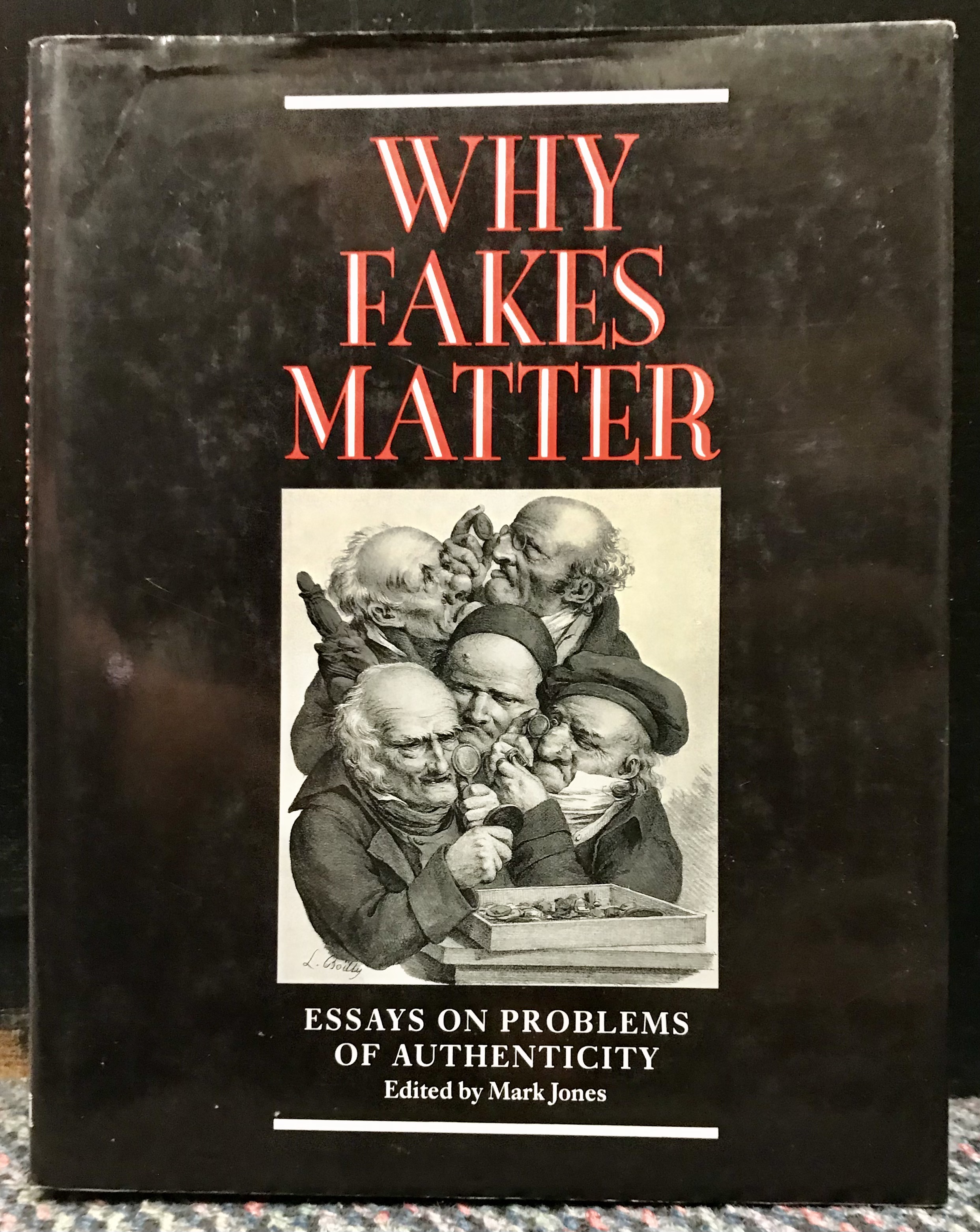
Rudoe, J. (1992) The faking of gems in the eighteenth century. In: Why Fakes Matter, Essays on Problems of Authencity, London: British Museum Press, pp. 23–31.
Record No. 26845  |  ISBN/ISSN: 9780710000000  |  Sinkankas/Born No.: NIS/NIB  |  not seen
In this book, scholars from a variety of disciplines provide new evidence about some of the most significant forgers and forgeries. The reception of fakes is considered, as is their importance as evidence for the history of taste and the art market.

Kaiser Tiberius: Ein neuer Kameo für die Antikensammlung

Emperor Tiberius: A new cameo for the antiquities collection
Journal Article
Platz-Horster, G. (1992) Kaiser Tiberius: Ein neuer Kameo für die Antikensammlung. [Emperor Tiberius: A new cameo for the antiquities collection] Jahrbuch Preussischer Kulturbesitz, Vol. 29, pp. 389–398.
Record No. 26343  |  Sinkankas/Born No.: NIS/NIB  |  Language: in German  |  not seen
Presents a cameo depicting the Roman emperor Tiberius, newly acquired for the antiquities collection. The article introduces the object as an addition to the collection’s holdings of engraved gems and imperial portraiture.
Study of concept, nomenclature, species and classification of jade
Study of concept, nomenclature, species and classification of jade

Journal Article
Wang, C. (1992) Study of concept, nomenclature, species and classification of jade. Geology-Geochemistry, No. 6, pp. 24–29.
Record No. 6678  |  Sinkankas/Born No.: NIS/NIB  |  Language: in Chinese  |  not seen
The paper discusses the definition of jade virtue" in Chinese civilization and the distinction between jade and fei cui (jadeite), explores the gemological definitions and the Chinese-English nomenclature of nephrite (soft jade) and jadeite (hard jade), and further examines and identifies newly discovered varieties of jade and fei cui. Finally, it proposes a precise definition and systematic classification of jade."

The jewelry craft of the ancient Mexicans and their art of working in stone and making feather ornaments
Book Section
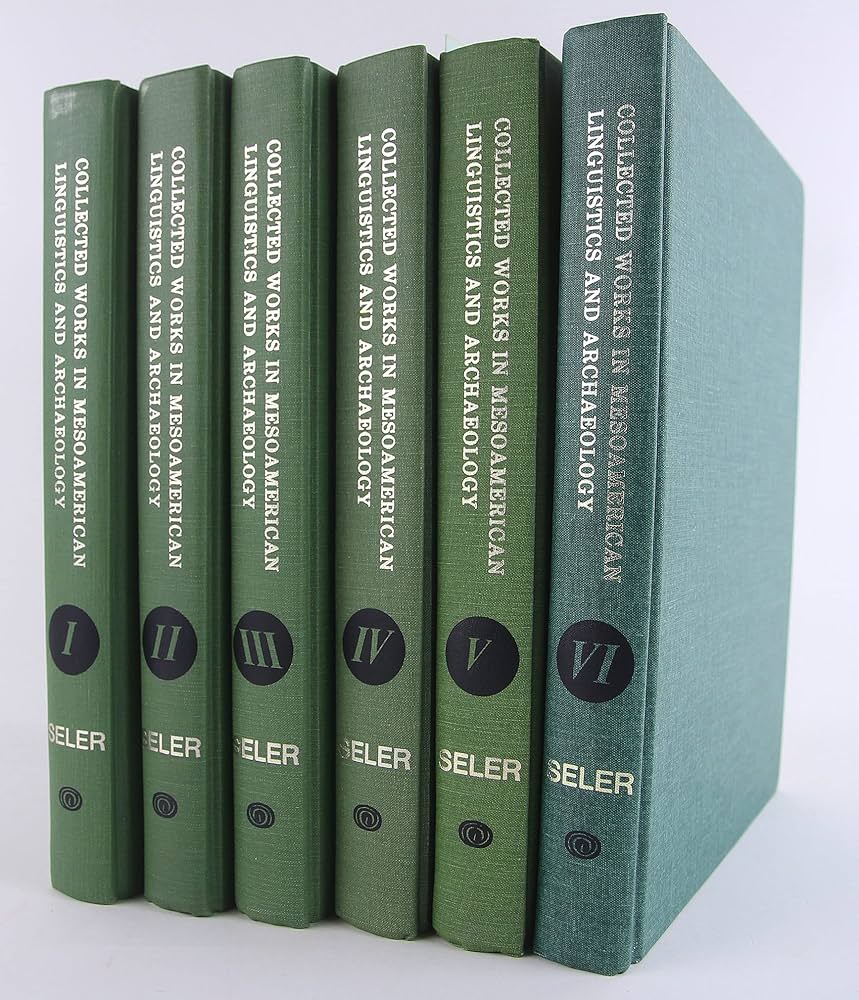
Seler, E. (1991) The jewelry craft of the ancient Mexicans and their art of working in stone and making feather ornaments. In: Collected Works in Mesoamerican Linguistic and Archaeology, Culver City: Laberinthos, Vol. 2 , pp. 270–295.
Record No. 28652  |  Sinkankas/Born No.: NIS/NIB  |  not seen

The Jade Lords

Book
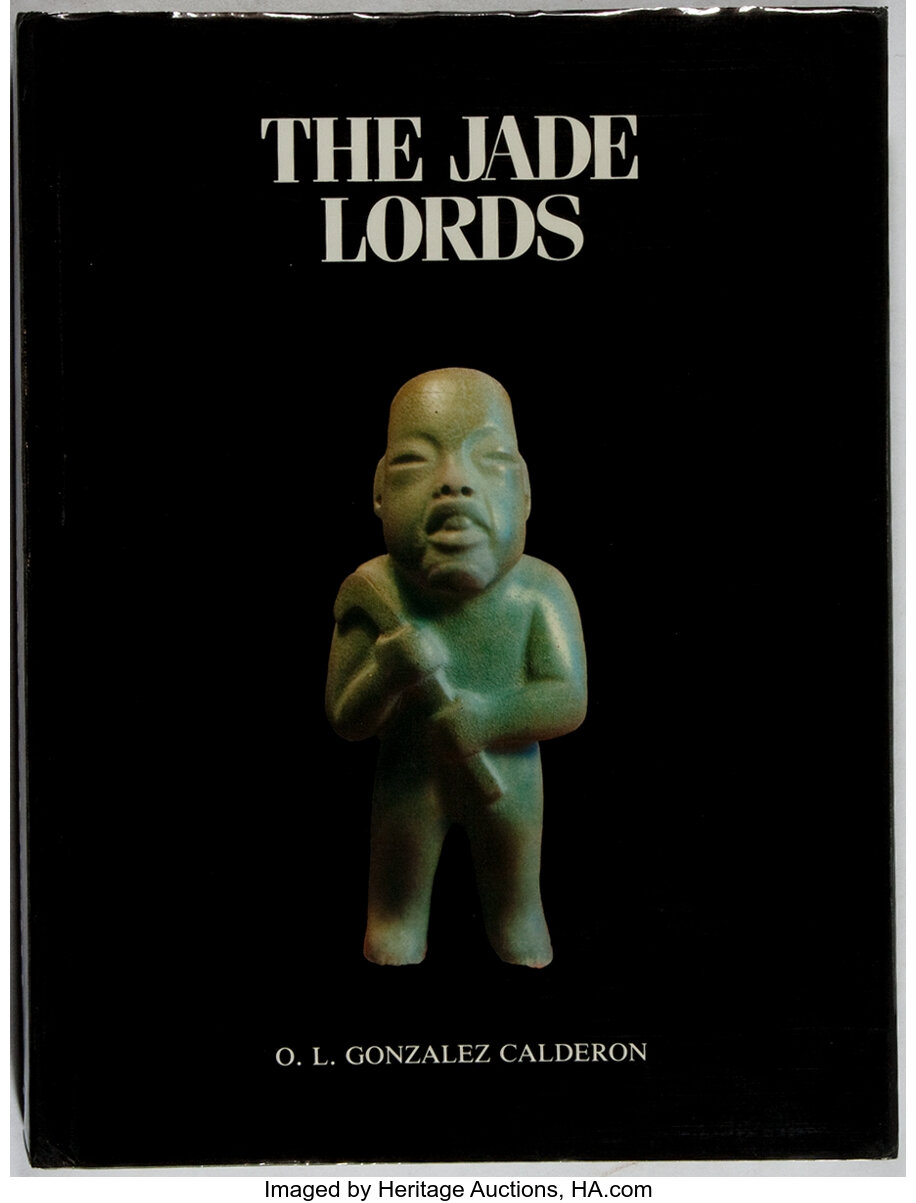
Gonzalez Calderon, O.L. (1991) The Jade Lords. Coatzacoalcos, Mexico, O.L. González Calderón, 135 pp.
Record No. 28292  |  ISBN/ISSN: 9789710000000  |  Sinkankas/Born No.: NIS/NIB  |  not seen
The study of the minor Olmec schulpture is the fundamental basis of this book. To call it minor is a conotation of size and physical measure in terms of centimeters. The material used were jade, serpentine, clay, granite, basalt and wood. There is a special mention of the jade cult, because it established the zenith of the Olmec art. In the history of jade carving, nobody achieved nor even came close to compare with the magnificent realizations of the Olmec lapidaries and ther patrons, the Jade Lords. The Olmec Civilization was the creator of the most beautiful and impressive sculptural art works of all the Mesoamerican pre-Columbian art. It has been always an enigma: the sudden appearance of this magnificent art within a primitive environment, without the existence of any previous development stages. Now for the first time are exhibited here the achievements of long years of investigation around the Olmec problem. It has been possible to find enough evidence of the physical presence in America, 2,000 years ago, of transoceanic immigrants from the Old World, and also the cultural seeding they brought to the young Mesoamerica in those historical happenings, that influenced the cultural expressions of all the Mesoamerican Civilizations since the first one, the Olmec, until the two last, the Maya and the Aztec. The achieved facts permit also to make a definitive correction of many wrong statements about the Olmec occurred since the first explorations of Mathew Stirling until the works of Michael D. Coe, the two most outstanding American archaeologists. There are here published many new findings about the Olmec, being the most remarkable their original long distance communications system by the use of solar rays reflected in their marvelous hematite mirrors, a cultural feat that was the first step towards the Maya numerals and hieroglyphics. An English translation of: Los señores de jade (1991).

Du pectoral d’Aaron aux lapidaires médicaux: L’infini pouvoir des pierres

From Aaron’s breastplate to medical lapidaries: The infinite power of stones
Book Section
Salvat, M. (1991) Du pectoral d’Aaron aux lapidaires médicaux: L’infini pouvoir des pierres. [From Aaron’s breastplate to medical lapidaries: The infinite power of stones] In: Nature et Encyclopédies: Actes du colloque d’Alençon, 6–7 avril 1991, Orleans: Association Diderot, pp. 205–218.
Record No. 27968  |  Sinkankas/Born No.: NIS/NIB  |  Language: in French  |  not seen
Examines the long tradition of attributing symbolic, magical, astrological and medicinal powers to precious stones, beginning with the twelve stones of Aaron’s breastplate and following their interpretation into the medieval lapidary tradition. Salvat distinguishes among magical or astrological lapidaries, Christian symbolic lapidaries, and more naturalistic or “scientific” lapidaries, showing how descriptions of stones combined inherited classical learning, biblical exegesis and beliefs concerning their therapeutic virtues. Particular attention is given to Bartholomaeus Anglicus’s De proprietatibus rerum and its accounts of the curative properties of stones. The study illustrates how medieval lapidaries occupied an intermediate position between natural history, medicine, theology and symbolism.

Building a Gemological Library

Gemological books range from general identification manuals and textbooks to specialized works on individual gems, mineralogy, jewelry, treatments, synthesis, history and gem-producing regions.

For a curated selection of particularly useful books, read The Gemologist's Core Library — Classic Books on Gemology, Jewelry and Mineralogy.

About Four Treasures

Four Treasures is Lotus Gemology's freely accessible gemological reference database. Use the full database to search by author, title or keyword and explore literature on gemology, mineralogy, jewelry and related fields. Where available, hyperlinks on titles may lead directly to the full publication.

Search the Complete Four Treasures Database