Gemology Books Bibliography

Gemology Books Bibliography

Explore books on gems, gemology, jewelry and mineralogy in Four Treasures, the Lotus Gemology reference database. This bibliography brings together matching book records from the collection, with publication details, abstracts and cover images where available.

Gemology Book References

The list below matches books concerning gemology and related subjects in the database's searchable fields. Some works cover several branches of gems, jewelry or mineralogy.
3,221–3,240 of 3,598 matching references

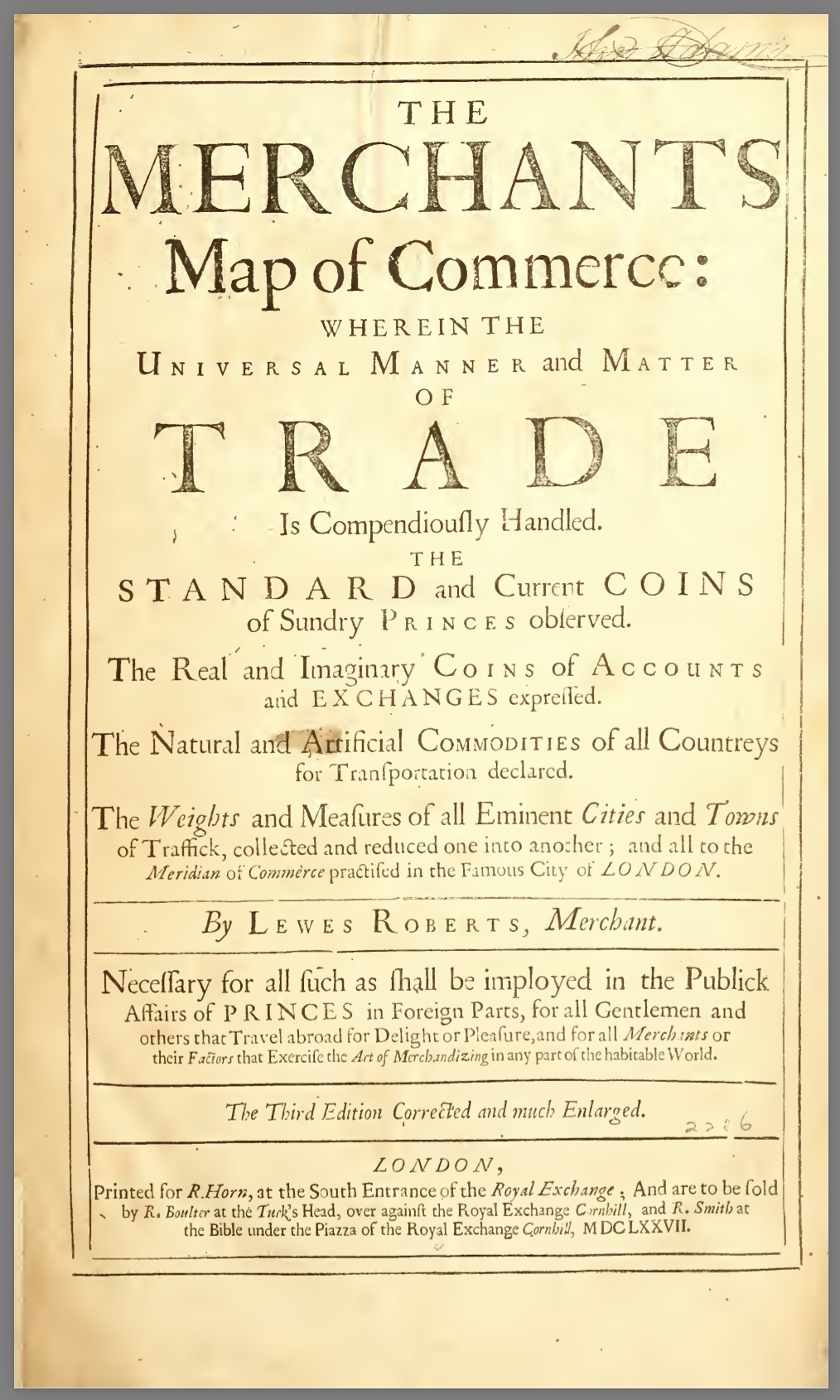
The Merchants Map of Commerce: Wherein, the Universal Manner and Matter of Trade is Compendiously Handled
Book
Roberts, L. (1677) The Merchants Map of Commerce: Wherein, the Universal Manner and Matter of Trade is Compendiously Handled. London, Horn, 475 pp.
Record No. 17078  |  Sinkankas/Born No.: NIS/NIB  |  RWHL
Lewes Roberts’s The Merchants Map of Commerce is a comprehensive 17th-century handbook of international trade, describing the principal commercial cities, ports, markets, commodities, currencies, weights and measures, customs duties, and trading practices of Europe, Asia, Africa, and the Americas. Intended as a practical guide for merchants, it provides detailed information on the movement and valuation of goods through contemporary trading networks. Of particular interest to gemologists are its references to diamonds, rubies, sapphires, pearls, and other precious commodities, including their principal sources and markets and aspects of their trade and valuation. The work provides valuable evidence for the commercial routes by which gemstones circulated between Asian producing regions, Middle Eastern entrepôts, and European markets during the 17th century.

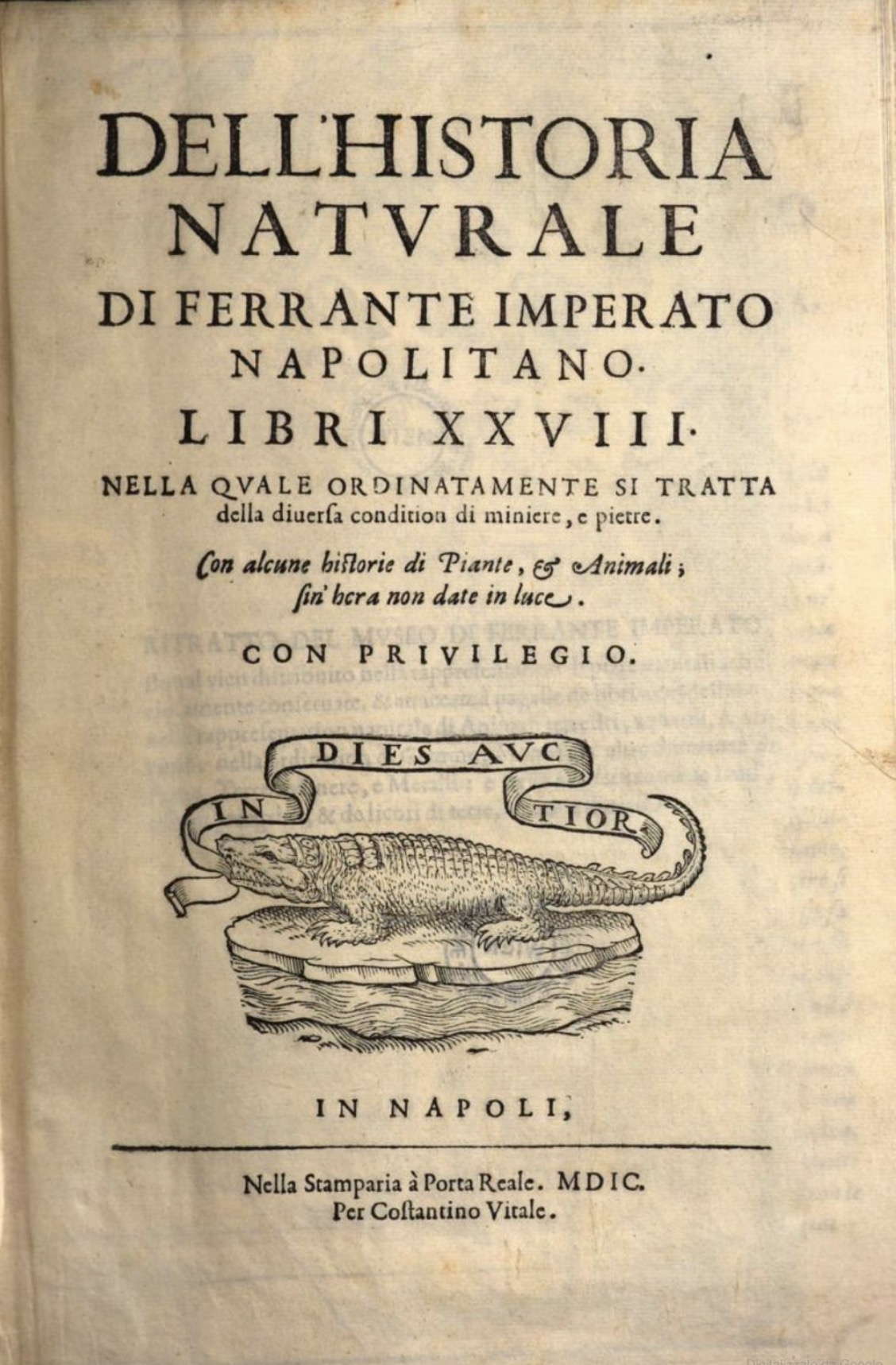
Dell'Historia naturale di Ferrante Imperato napolitano
Natural History by Ferrante Imperato, Neapolitan
Book
Imperato, F. (1672) Dell'Historia naturale di Ferrante Imperato napolitano. [Natural History by Ferrante Imperato, Neapolitan] Venetia, Presso Combi & La Noù, 696 pp. (see pp. 598–599)
Record No. 7430  |  Sinkankas/Born No.: NIS/NIB  |  Language: in Latin  |  RWHL
Ferrante Imperato’s Historia naturale is an encyclopedic natural history based substantially on the celebrated collection or cabinet of curiosities assembled by the Neapolitan apothecary and naturalist. The work treats minerals, rocks, metals, earths, plants, animals, fossils, and other natural substances, combining direct observation with information derived from classical and contemporary authorities. Its extensive mineralogical sections describe the appearance, properties, origins, varieties, and uses of numerous stones and minerals and make the book an important early contribution to European mineralogy and collecting. Of particular gemological interest are discussions of precious and ornamental stones, including the material on pp. 598–599, providing evidence for 17th-century identification, terminology, properties, and uses of gem materials.

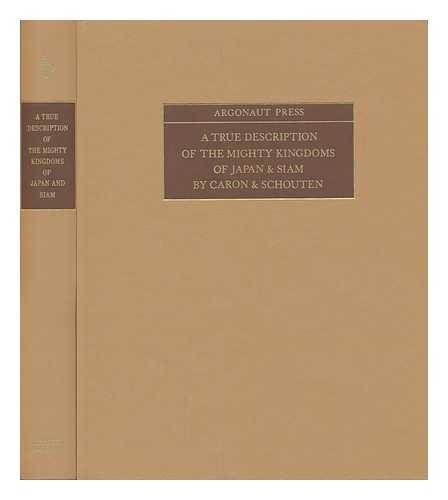
A True Description of the Mighty Kingdoms of Japan & Siam
Book
Caron, F. and Schouten, J. (1671) A True Description of the Mighty Kingdoms of Japan & Siam. New York, N. Israel/Da Capo Press, 197 pp.
Record No. 4675  |  ISBN/ISSN: 906072111X  |  Sinkankas/Born No.: NIS/NIB  |  RWHL
François Caron and Joost Schouten’s A True Description of the Mighty Kingdoms of Japan & Siam brings together two important 17th-century European accounts of Japan and Siam written by officials of the Dutch East India Company. Caron describes Japanese government, social hierarchy, religion, customs, commerce, cities, warfare, justice, and everyday life, based on his long residence in Japan, while Schouten provides a comparable description of Ayutthaya-period Siam, including the monarchy, administration, religion, customs, trade, natural products, and foreign communities. Both accounts are particularly valuable for their observations on Asian commerce and luxury goods. Of gemological interest are references to precious stones, jewelry, gold, silver, and other valuable commodities traded or used in Siam and Japan, providing contemporary evidence for the movement and consumption of gems within 17th-century Asian trading networks.

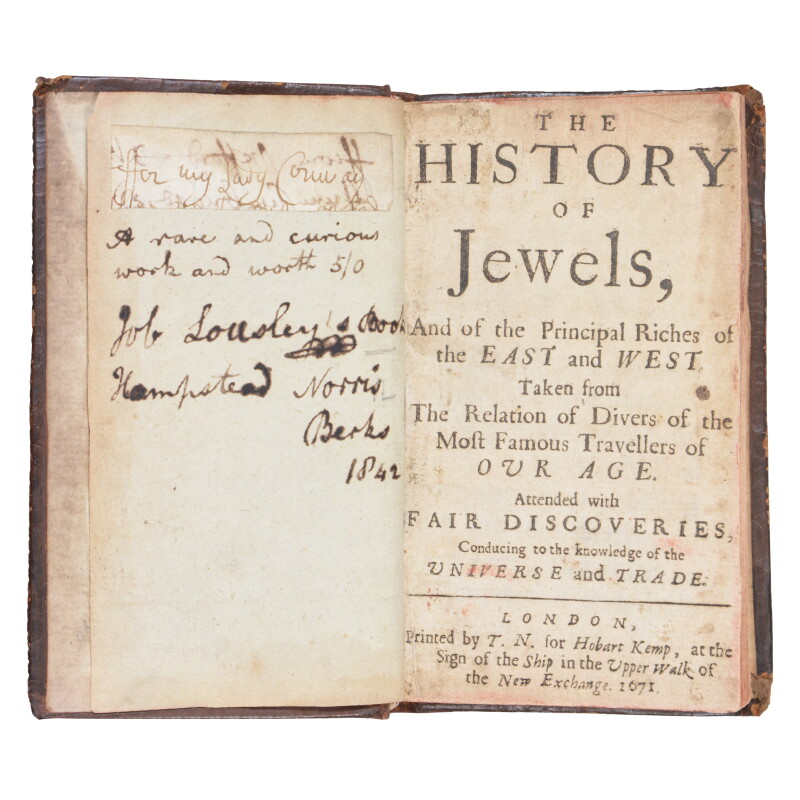
The History of Jewels and of the Principal Riches of the East and West
Book
Chappuzeau, S. (1671) The History of Jewels and of the Principal Riches of the East and West. London, Hobart Kemp, 128 pp.
Record No. 2727  |  Sinkankas/Born No.: NIS/NIB  |  RWHL
Samuel Chappuzeau’s The History of Jewels, and of the Principal Riches of the East and West is an early English-language work devoted to precious stones, pearls, and other valuable natural products. It discusses diamonds, rubies, sapphires, emeralds, pearls, and other gems, including their geographical sources, qualities, sizes, values, trade, and notable specimens, while also treating other commodities regarded as riches of the East and West. Drawing upon contemporary travel and commercial literature, the book reflects European knowledge of the principal gem-producing regions and international gem trade during the 17th century. It is particularly valuable to historians of gemology for its descriptions of the characteristics and valuation of precious stones and for its evidence concerning the routes by which Asian and American luxury materials reached European markets.

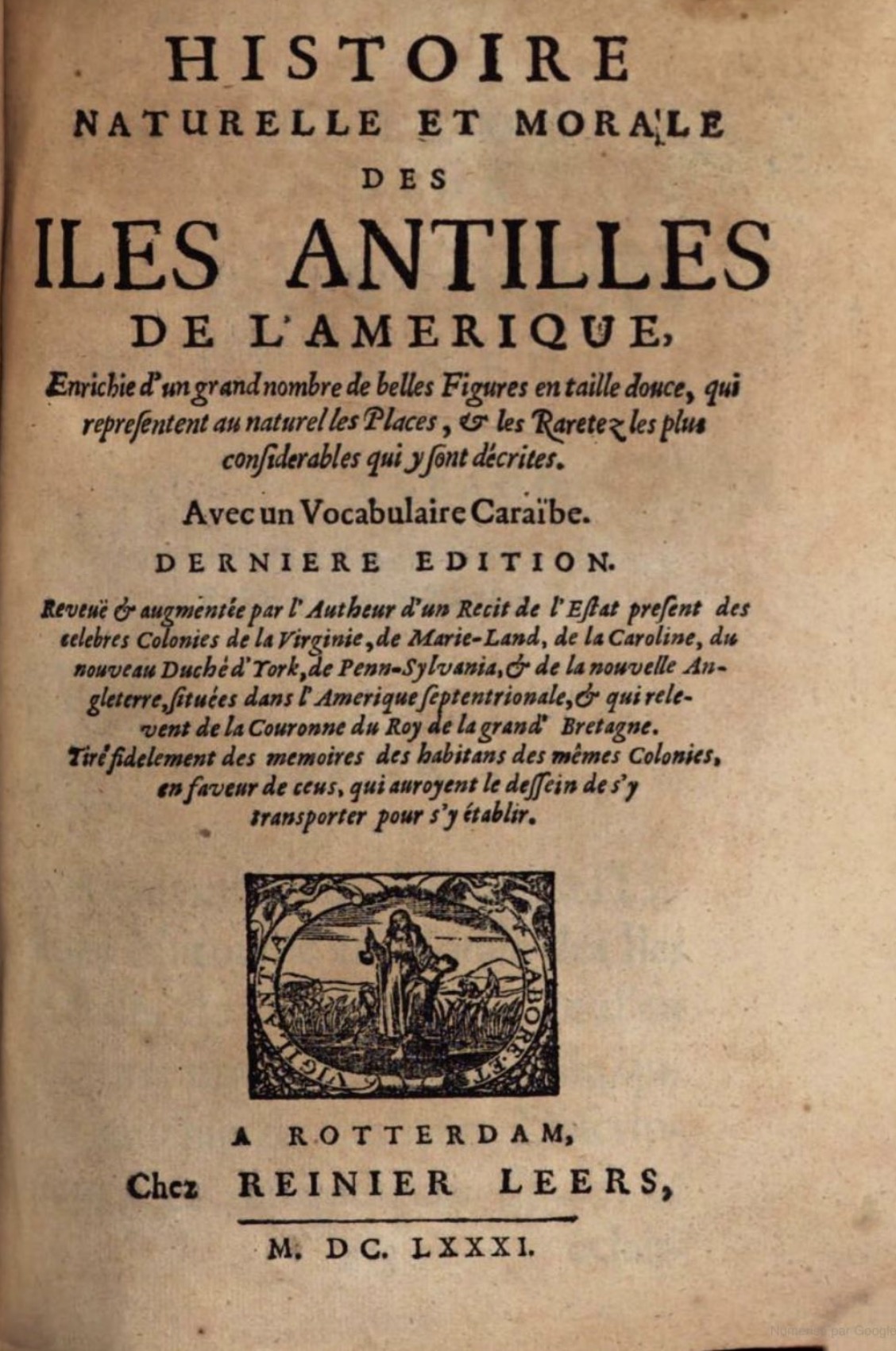
Histoire morale des îles Antilles de l’Amérique
Moral History of the Caribbean Islands of America
Book
Rochefort, C., de (1667) Histoire morale des îles Antilles de l’Amérique. [Moral History of the Caribbean Islands of America] Lyon, Christofle Fovrmy, 680 pp. (see p. 152)
Record No. 7103  |  Sinkankas/Born No.: NIS/NIB  |  Language: in French  |  RWHL
Charles de Rochefort’s Histoire morale des îles Antilles de l’Amérique is a 17th-century account of the Caribbean islands, their Indigenous inhabitants, European settlements, natural environment, resources, customs, and colonial society. It describes the geography, plants, animals, foods, medicines, commerce, and material culture of the Antilles, together with observations on Indigenous languages, beliefs, warfare, social practices, and relations with Europeans. The work combines natural history and ethnography with information derived from travelers and colonial observers. Of gemological interest is the discussion on p. 152 of stones and mineral materials found or used in the region, providing an early European record relevant to the occurrence, identification, or Indigenous use of ornamental stones in the Caribbean.

The Voyages and Adventures, of Ferdinand Mendez Pinto, the Portuguese
Book
Pinto, F.M. (1663) The Voyages and Adventures, of Ferdinand Mendez Pinto, the Portuguese. London, J. Macock
Record No. 3331  |  Sinkankas/Born No.: NIS/NIB  |  RWHL
A seventeenth-century English translation of Fernão Mendes Pinto’s Peregrinação, first published in Portuguese in 1614, recounting the author’s extensive travels and adventures across Asia during the sixteenth century. The work describes voyages through India, Southeast Asia, China, and Japan, combining personal narrative with accounts of regional geography, peoples, customs, religions, trade, warfare, and natural products. Of particular interest to gemological history are Pinto’s observations on Asian commerce and luxury goods, including precious stones and other valuable commodities encountered in the trading networks of South and Southeast Asia.

Histoire de la Grande Isle Madagascar
History of the great island Madagascar
Book
Flacourt, E.d. (1658) Histoire de la Grande Isle Madagascar. [History of the great island Madagascar] Paris, Chez G. de Lvyne, 2 v. in 1.
Record No. 7441  |  Sinkankas/Born No.: NIS/NIB  |  Language: in French  |  RWHL
Flacourt’s Histoire de la Grande Isle Madagascar is one of the earliest substantial European accounts of Madagascar, based largely on the author’s residence there as governor of the French settlement at Fort-Dauphin from 1648 to 1655. The work describes the island’s geography and regions, inhabitants and social customs, religion, material culture, fauna, flora and natural resources, followed by an account of the French colony and its relations and conflicts with the Malagasy population. Of particular gemological interest, Flacourt records the occurrence of precious stones in Madagascar, including topaz, aquamarine, emerald, ruby and sapphire, making the work an important early source for the history of Madagascar’s gem resources.

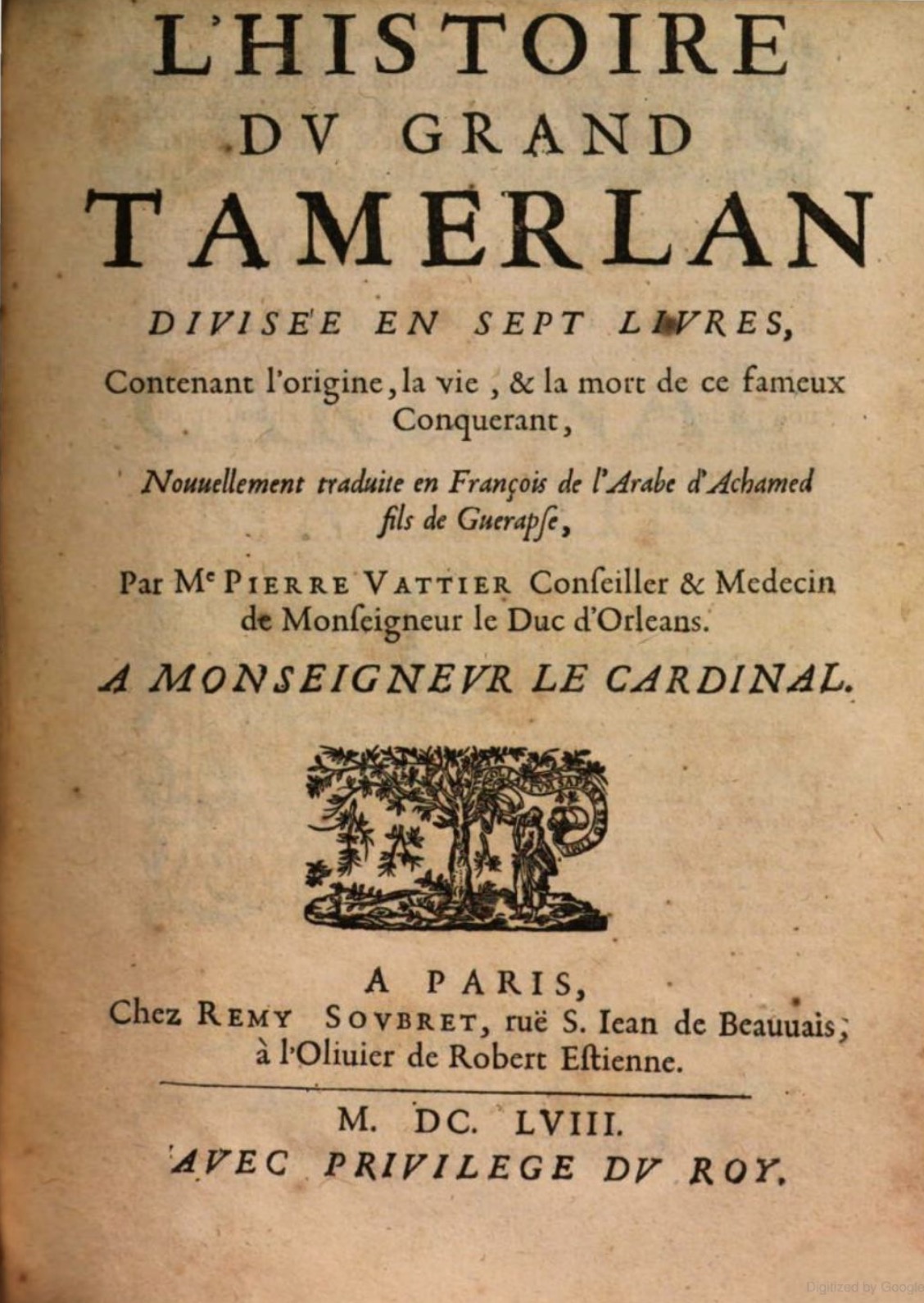
L’Histoire du grand Tamerlan

History of the Great Tamerlane
Book
Ibn Arabschah (1658) L’Histoire du grand Tamerlan. [History of the Great Tamerlane] Paris, 248 pp.
Record No. 7101  |  Sinkankas/Born No.: NIS/NIB  |  Language: in French  |  RWHL
L’Histoire du grand Tamerlan is a French translation of the Arabic history of Timur (Tamerlane) by Aḥmad ibn ʿArabshāh, a 15th-century Syrian historian who experienced Timur’s conquest of Damascus and subsequently lived at the Timurid court in Samarkand. The work recounts Timur’s origins, military campaigns, conquests, court, character, and death, presenting a notably hostile counterpoint to the more celebratory Timurid chronicles. It contains descriptions of the wealth, tribute, spoils, luxury goods, and material culture associated with Timur’s campaigns and court. Of gemological interest are references to precious stones, jewelry, gold, and other valuable objects acquired as tribute or booty and circulated among the courts and trading centers of Central and Western Asia, providing useful historical context for the movement and prestige of gems in the late 14th and early 15th centuries.

L'Histoire du grand Tamerlan, en sept livres
The History of the Great Tamerlane, in Seven Books
Book
Vattier, P. (1658) L'Histoire du grand Tamerlan, en sept livres. [The History of the Great Tamerlane, in Seven Books] Paris, Avcvstin Covrbe, 248 pp.
Record No. 7095  |  Sinkankas/Born No.: NIS/NIB  |  Language: in French  |  RWHL
Pierre Vattier’s L’Histoire du grand Tamerlan, en sept livres is a 17th-century French translation and adaptation of the Arabic history of Timur (Tamerlane) by the 15th-century Syrian historian Aḥmad ibn ʿArabshāh. Divided into seven books, it recounts Timur’s origins, rise to power, military campaigns, conquests, court, character, and death, presenting the conqueror from a perspective markedly less favorable than official Timurid histories. The work describes the enormous wealth accumulated through Timur’s conquests, including tribute, booty, luxury goods, precious objects, and the riches of the cities and courts encountered by his armies. Of gemological interest are references to precious stones, jewelry, gold, and other valuable materials, providing historical context for the possession and movement of luxury commodities across Central and Western Asia during the late 14th and early 15th centuries.

Museum Wormianum seu Historia rerum rariorum
Wormian Museum or History of Rare Things
Book
Worm, O. (1655) Museum Wormianum seu Historia rerum rariorum. [Wormian Museum or History of Rare Things] Lugduni Batavorum, Apud Iohannem Elsevirium, 392 pp. (see Chap. 15, pp. 95–96).
Record No. 6875  |  Sinkankas/Born No.: NIS/NIB  |  Language: in Latin  |  RWHL
Worm’s Museum Wormianum is an illustrated catalogue of the celebrated cabinet of curiosities assembled by the Danish physician and antiquarian Ole Worm. The collection encompasses minerals, stones, fossils, plants, animals, ethnographic objects, antiquities, and other natural and artificial curiosities, arranged as an attempt to describe and classify the natural world. Of gemological interest are its accounts of minerals, crystals, precious stones, and other lapidary materials, combining physical observations with contemporary ideas concerning their origins, properties, and uses. The work is an important record of seventeenth-century mineralogical knowledge and of the cabinet-of-curiosities tradition from which modern natural-history museums developed.

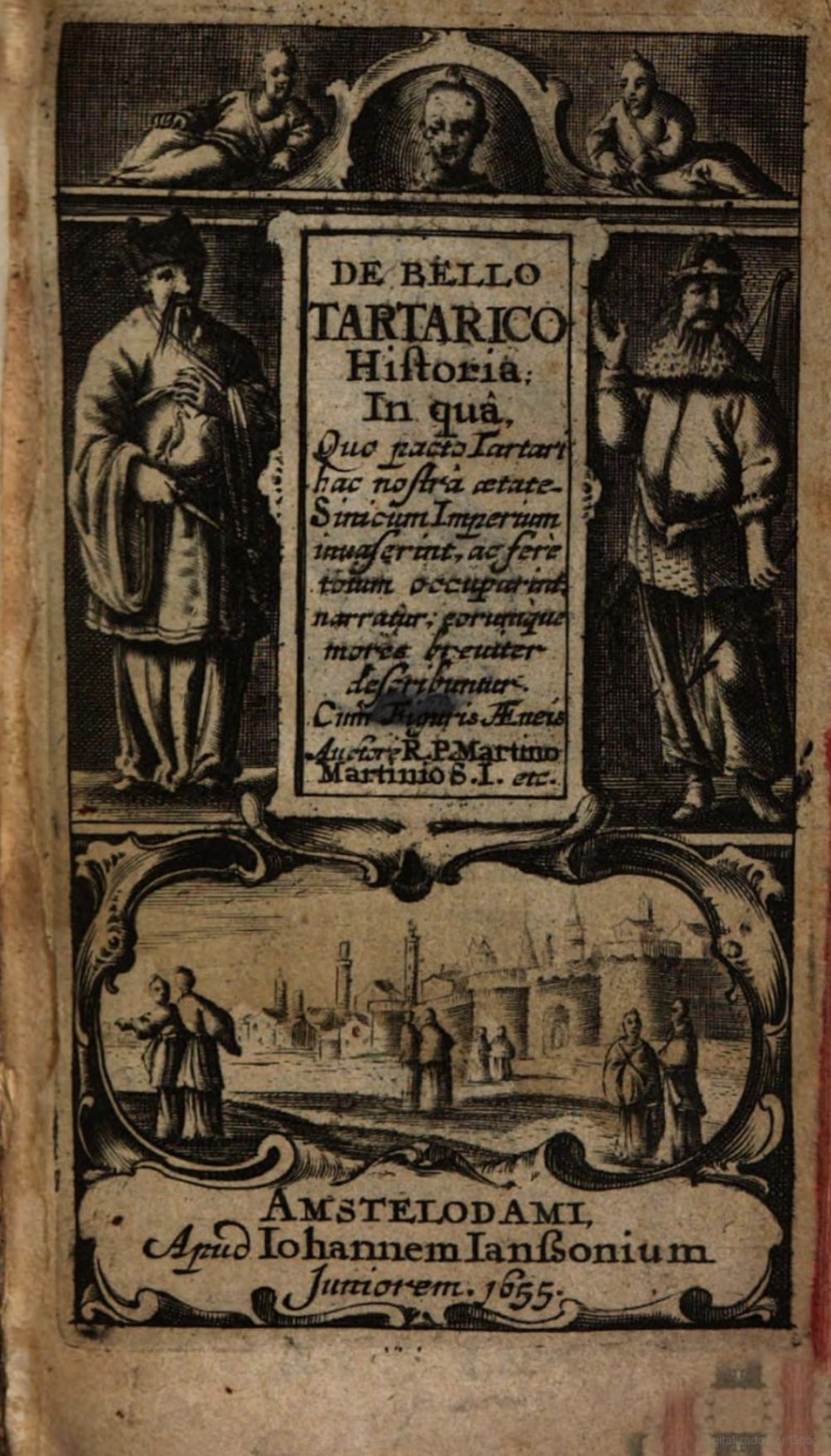
De bello Tartarico historia

History of the Tartar War
Book
Martini, M. (1654) De bello Tartarico historia. [History of the Tartar War] Antverpiae, Balthasaris Moreti, 216 pp. (see p. 44)
Record No. 7094  |  Sinkankas/Born No.: NIS/NIB  |  Language: in Latin  |  RWHL
A contemporary account of the Manchu conquest of China and the collapse of the Ming dynasty by the Jesuit missionary Martino Martini, who had lived and traveled extensively in China. The work describes the military campaigns, political upheavals, cities, peoples, and events surrounding the establishment of Qing rule and became an important early European source on seventeenth-century China. Of particular gemological interest is p. 44, where Martini refers to jade and its importance and value in China, providing an early European account of Chinese appreciation of the material.

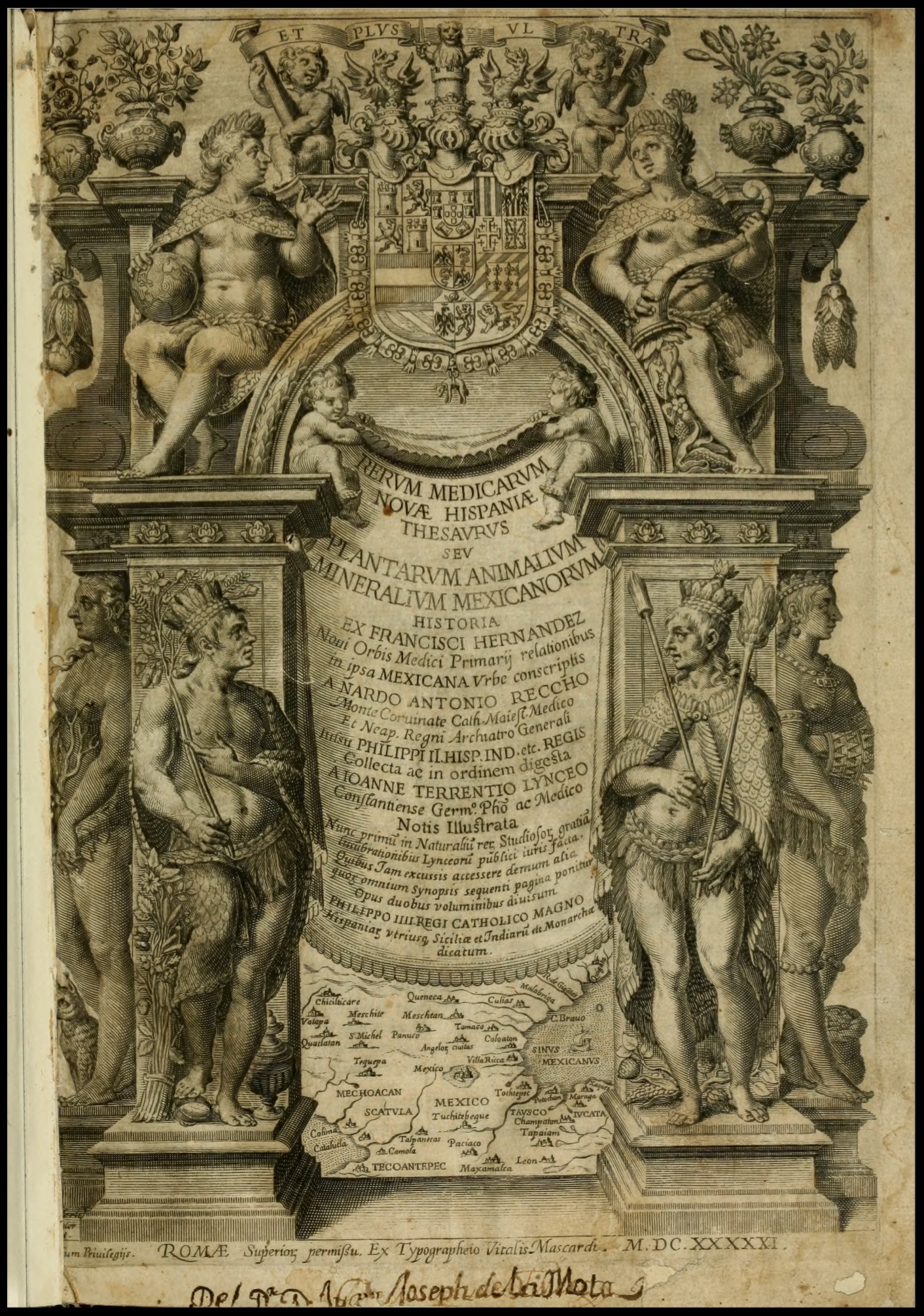
Rerum medicarum Novae Hispaniae thesaurus, seu, Plantarum animalium mineralium Mexicanorum historia
The treasure of medicinal things of New Spain, or, The history of Mexican plants, animals, and minerals
Book
Hernández, F., Cesi, F., Colonna, F., Deversin, B., Faber, J., Greuter, J.F., Hernández, F., Mascardi, V., Masotti, Z., Recchi, N.A. and Terentius, J. (1651) Rerum medicarum Novae Hispaniae thesaurus, seu, Plantarum animalium mineralium Mexicanorum historia. [The treasure of medicinal things of New Spain, or, The history of Mexican plants, animals, and minerals] Romae, Ex typographeio Vitalis Mascardi, 90 pp.
Record No. 7907  |  Sinkankas/Born No.: NIS/NIB  |  Language: in Latin  |  RWHL
A major seventeenth-century compendium of the natural history and materia medica of New Spain, based principally on the investigations of Francisco Hernández and subsequently edited and augmented by members and associates of the Accademia dei Lincei. The work describes Mexican plants, animals, and minerals, combining Hernández’s observations and Indigenous knowledge with commentary by European naturalists. Of particular gemological interest are its accounts of Mexican minerals and stones, including their Indigenous names, physical characteristics, sources, and medicinal uses, making the work an important early source for European knowledge of the mineral resources and gemstone traditions of Mexico.

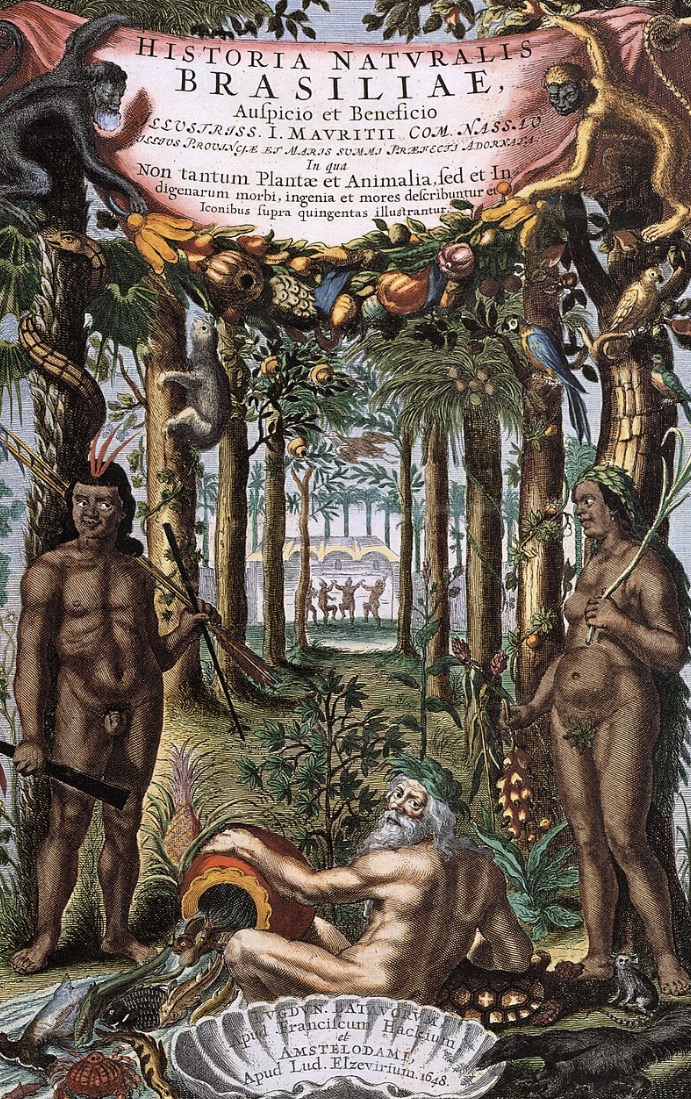
Historia naturalis Brasiliae

Natural History of Brazil
Book
Piso, W., Marcgraf, G. and Laet, J.d. (1648) Historia naturalis Brasiliae. [Natural History of Brazil] Lugdunum Batavorum [Leiden], Apud Franciscum Hackium, 300 pp. (see p. 271)
Record No. 16398  |  Sinkankas/Born No.: NIS/NIB  |  Language: in Latin  |  RWHL
A landmark seventeenth-century natural history of Brazil, produced from observations made during the Dutch occupation of northeastern Brazil. Piso treats medicine, diseases, and useful natural products, while Marcgraf provides systematic descriptions of the region’s plants, animals, geography, and other natural phenomena, with editorial contributions by Johannes de Laet. Richly illustrated, the work was one of the earliest comprehensive scientific accounts of South American nature. Of particular gemological interest is p. 271, where precious stones and mineral materials occurring in Brazil are discussed, providing an important early European record of Brazilian gem resources.

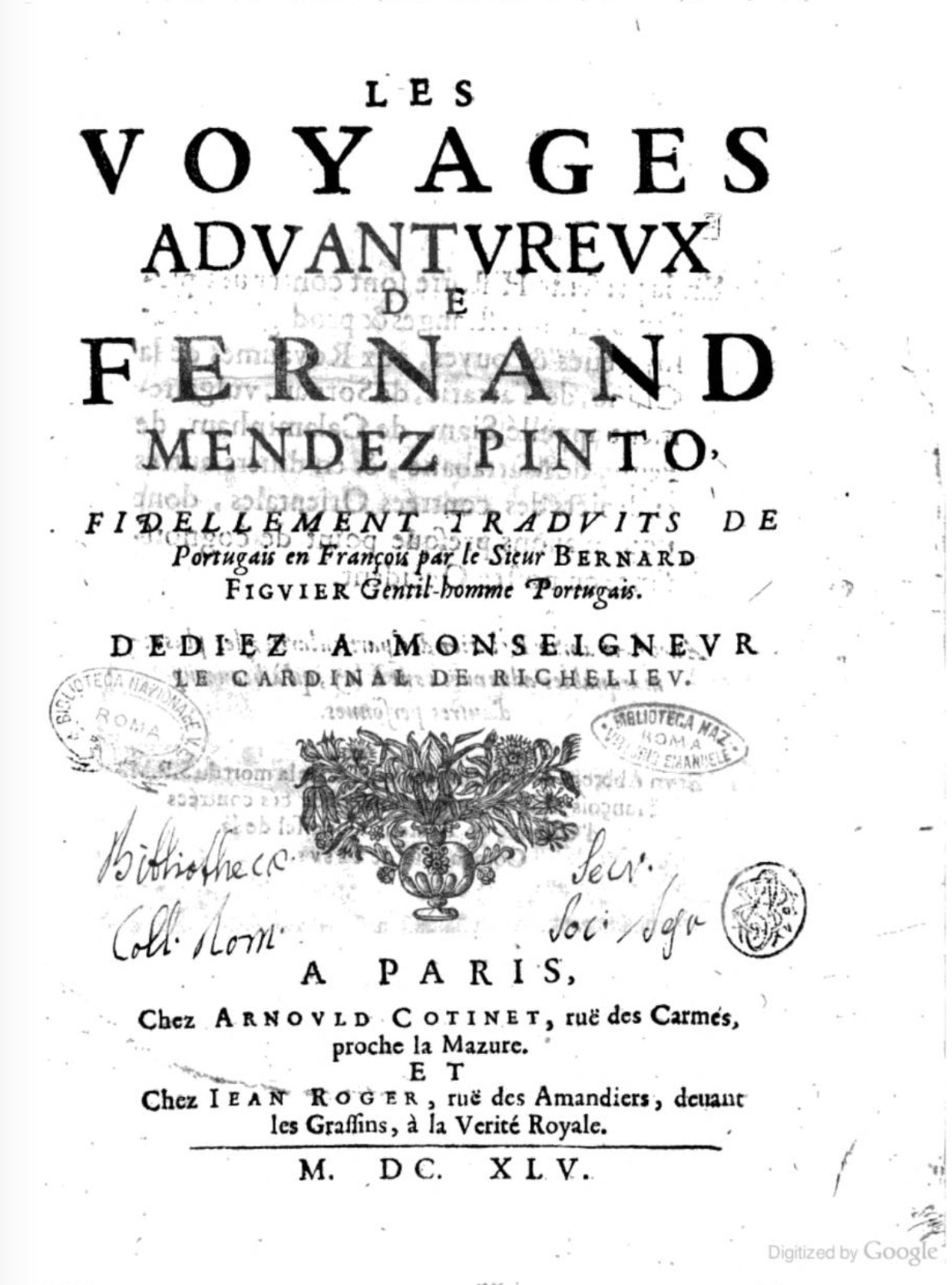
Les Voyages Advantureax De Fernand Mendez Pinto, Fidellement Traduits de Portuguais en Francois par Le Sieur Bernard Figuier, Gentilhomme Portuguais
The Adventurous Voyages of Fernand Mendez Pinto, Faithfully Translated from Portuguese into French by Sieur Bernard Figuier, Portuguese Gentleman
Book
Pinto, F.M. (1645) Les Voyages Advantureax De Fernand Mendez Pinto, Fidellement Traduits de Portuguais en Francois par Le Sieur Bernard Figuier, Gentilhomme Portuguais. [The Adventurous Voyages of Fernand Mendez Pinto, Faithfully Translated from Portuguese into French by Sieur Bernard Figuier, Portuguese Gentleman] Paris
Record No. 2846  |  Sinkankas/Born No.: NIS/NIB  |  Language: in French  |  RWHL
A French translation of Fernão Mendes Pinto’s celebrated account of his travels and adventures in Asia during the sixteenth century. Pinto describes journeys through India, Southeast Asia, China, and Japan, combining observations of peoples, cities, religions, warfare, navigation, commerce, and natural products with accounts of his extraordinary personal experiences. Of particular gemological interest are references to precious stones, pearls, gold, jewelry, and the trade in luxury materials throughout Asian commercial networks, providing an important early European perspective on the wealth and gem trade of the East. Early mention of gems in Thailand; quoted by Gühler (1947)

De proprietatibus ac virtutibus medicis animalium, plantarum ac gemmarum, tractatus triplex, auctore Habdarrahmano Asiutensi Aegyptio, nunc primum ex arabico idiomate latinitate donatus ab Abrahamo Ecchellensi Maronita,… Ex MS Codice Bibliothecae Eminentissimi Cardinalis Mazarini
On the properties and medicinal virtues of animals, plants, and gems, a triple treatise, authored by Habdarrahmano Asiutensi Aegyptio, now first translated from the Arabic language into Latin by Abrahamo Ecchellensi Maronita,... From the manuscript of the Library of the Most Eminent Cardinal Mazarini
Book
Habdarrahmano [Abd al-Rahman ibn Abi Bakr Galal al-Din al-Suyuti] (1644) De proprietatibus ac virtutibus medicis animalium, plantarum ac gemmarum, tractatus triplex, auctore Habdarrahmano Asiutensi Aegyptio, nunc primum ex arabico idiomate latinitate donatus ab Abrahamo Ecchellensi Maronita,… Ex MS Codice Bibliothecae Eminentissimi Cardinalis Mazarini. [On the properties and medicinal virtues of animals, plants, and gems, a triple treatise, authored by Habdarrahmano Asiutensi Aegyptio, now first translated from the Arabic language into Latin by Abrahamo Ecchellensi Maronita,... From the manuscript of the Library of the Most Eminent Cardinal Mazarini] Paris, Sebastianum Cramoisy, 179 pp.
Record No. 7525  |  Sinkankas/Born No.: NIS/NIB  |  RWHL
A Latin translation by the Maronite scholar Abraham Ecchellensis of an Arabic work attributed to Jalāl al-Dīn al-Suyūṭī, drawn from a manuscript in Cardinal Mazarin’s library. The treatise is divided into three parts dealing with the properties and medicinal virtues of animals, plants, and gemstones. Of particular gemological interest is the section on gems, which records their names, characteristics, and supposed therapeutic and other virtues, preserving elements of the Arabic-Islamic lapidary and medical traditions and making them accessible to seventeenth-century European readers.

Nuevo descubrimiento del gran rio de las Amazonas
New discovery of the great Amazon River
Book
Acuña, C., de (1641) Nuevo descubrimiento del gran rio de las Amazonas. [New discovery of the great Amazon River] Madrid, Imprenta del Reyno, 92 pp.
Record No. 7500  |  Sinkankas/Born No.: NIS/NIB  |  Language: in Spanish  |  RWHL
A firsthand account of the 1639 expedition down the Amazon River by the Jesuit Cristóbal de Acuña, providing one of the earliest detailed European descriptions of the river and its surrounding lands. Acuña records the geography, tributaries, Indigenous peoples, settlements, customs, trade, natural products, and resources encountered along the route. Of particular gemological interest are reports of gold, silver, and precious stones said to occur in the Amazonian interior, reflecting early colonial interest in the mineral wealth of the region and the continuing search for rich sources of precious materials in South America.

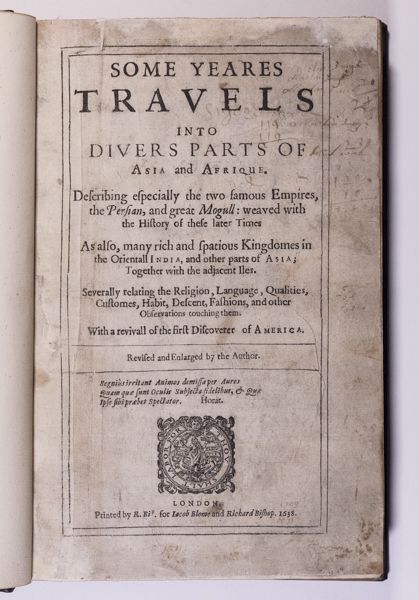
Some Yeares Travels into Divers Parts of Asia and Afrique
Book
Herbert, T. (1638) Some Yeares Travels into Divers Parts of Asia and Afrique. London, Jacob Blome & Richard Bishop (364 pp.).
Record No. 2787  |  Sinkankas/Born No.: NIS/NIB  |  RWHL
A travel narrative by Sir Thomas Herbert describing journeys through parts of Persia, India, the Middle East, and Africa during the early seventeenth century. Herbert combines firsthand observations with historical, geographical, ethnographic, and natural-history information on the regions he visited, including cities, peoples, customs, trade, plants, animals, and natural resources. Of particular gemological interest are his references to pearls, precious stones, mines, and luxury commodities encountered in Persia and India, making the work a useful early English source on the gem trade and material wealth of Asia.

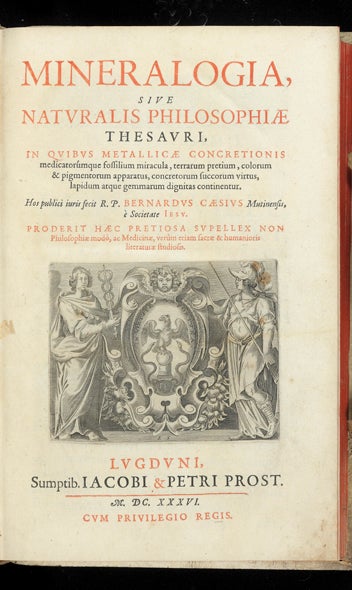
Mineralogia, sive Naturalis Philosophiae Thesauri, in quibus Metallicae Concretionis medicatorúmque fossilium miracula, terrarum pretium, colorum & pigmentorum apparatus, concretorum succorum virtus, lapidum atque gemmarum dignitas continentur
Mineralogy, or the Treasures of Natural Philosophy, in which are contained the marvels of metallic concretions and medicating fossils, the value of lands, the arrangement of colors and pigments, the power of concreted juices, and the worth of stones and gems
Book
Caesius, B. (1636) Mineralogia, sive Naturalis Philosophiae Thesauri, in quibus Metallicae Concretionis medicatorúmque fossilium miracula, terrarum pretium, colorum & pigmentorum apparatus, concretorum succorum virtus, lapidum atque gemmarum dignitas continentur. [Mineralogy, or the Treasures of Natural Philosophy, in which are contained the marvels of metallic concretions and medicating fossils, the value of lands, the arrangement of colors and pigments, the power of concreted juices, and the worth of stones and gems] Lugduni, Iacoi & Petri Prost, 626 pp. (see p. 526).
Record No. 7506  |  Sinkankas/Born No.: 1221  |  Language: in Latin  |  RWHL
Schuh: Very scarce. Compendium of all the author ever discovered or read about the subject of mineralogy. It was published posthumously from notes he left by his Order at Lyon six years after his death. Printed in a double column format in a relatively small type-size, the work is a vast storehouse of all things mineralogical, including new ideas, restatements of earlier authors, observations and superstitious belief. The uncritical selection of material led Webster in his Metallographia (London, 1671, p. 29) to criticize the author as too digressive and as mixing tares with the wheat. Partington thinks the use of the term ‘Mineralogia’ in the title is the first modern usage of the word… The work opens by listing the evils and benefits of mineralogy. Mining is considered dangerous because of the lurking underground spirits…the author notes that the study of mineralogy helps one to understand the bible. It provides medicines and money, ornaments for religious purposes, tools used in agriculture, industry, painting, music and alchemy. Cesi then answers the question he posed earlier and declares mineralogy to be a true philosophy, worthy of careful study… The numerous citations to earlier authors provide evidence of Cesi’s wide reading. Commonly, many authors are referenced on single points. For example, in describing the generation of minerals he closely follows Aristotle but also cites Theophrastus, Avicenna, Albertus Magnus, Agricola, Gregorius Reisch, Pliny, Boodt, Francis Rueus, Marbode, the Bible, and numerous church fathers. The author is uncritical of the views he presents, and accepts the authority of the ancient and medieval authors as his own. He believes that the Sun, Moon and stars influence the subterranean world of minerals and metals, and that gems have miraculous curative powers. He includes a chapter on the magnet… Cesi divides his work into five sections: the first treats mineralogy proper, the second the economic and commercial aspects, for example colors and pigments, the third, lapidifying juices of the earth that congeal into minerals, the fourth gems and the fifth metals. At the conclusion is a long and thankfully comprehensive index. Much insight about ancient philosophy and its affect in the 17th century can be gained from studying Cesi’s Mineralogia.”–Schuh, Mineralogy & Crystallography: A Biobibliography, 1469 to 1920, pp. 358-59.

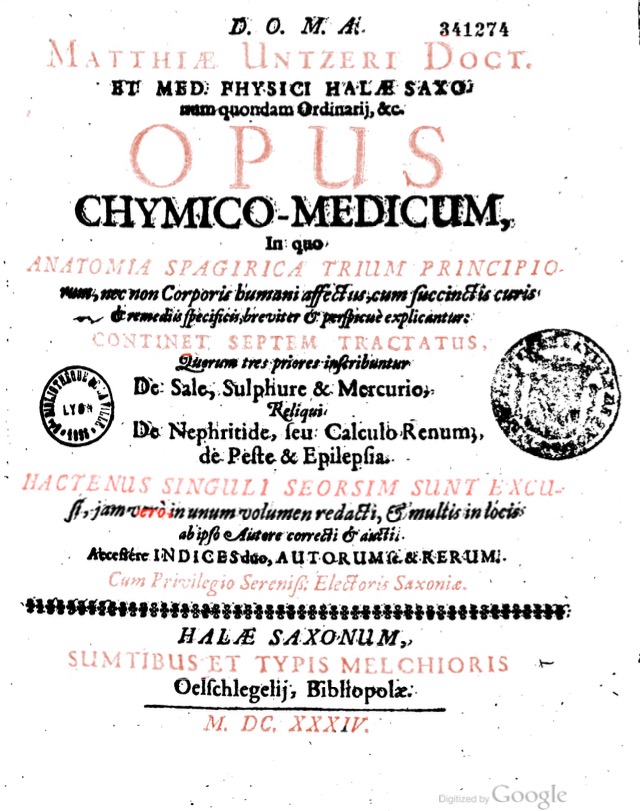
Opus chymico-medicum, continens tractatus septem, de sale, mercurio, nephrite, duplices de peste et epilepsia
Chemical-Medical Work, Containing Seven Treatises, on Salt, Mercury, Nephrite, Doubles on Plague and Epilepsy
Book
Untzer, M. (1634) Opus chymico-medicum, continens tractatus septem, de sale, mercurio, nephrite, duplices de peste et epilepsia. [Chemical-Medical Work, Containing Seven Treatises, on Salt, Mercury, Nephrite, Doubles on Plague and Epilepsy] Halæ Saxonum, Oelschlegelij, 2511 pp.
Record No. 7552  |  Sinkankas/Born No.: NIS/NIB  |  Language: in Latin  |  RWHL
A collection of seven chemical-medical treatises by Matthias Untzer, combining Paracelsian medicine, pharmacy, and early chemistry. Separate sections deal with salt, mercury, plague, epilepsy, and other medical subjects, including a treatise devoted specifically to nephrite and its therapeutic properties. Of particular gemological interest is this discussion of the lapis nephriticus (nephrite or “kidney stone”), whose supposed ability to prevent or cure kidney and urinary disorders—especially when worn against the body—gave rise to the European name nephrite. The work is an important early seventeenth-century source for the medicinal use and reputation of jade in Europe.

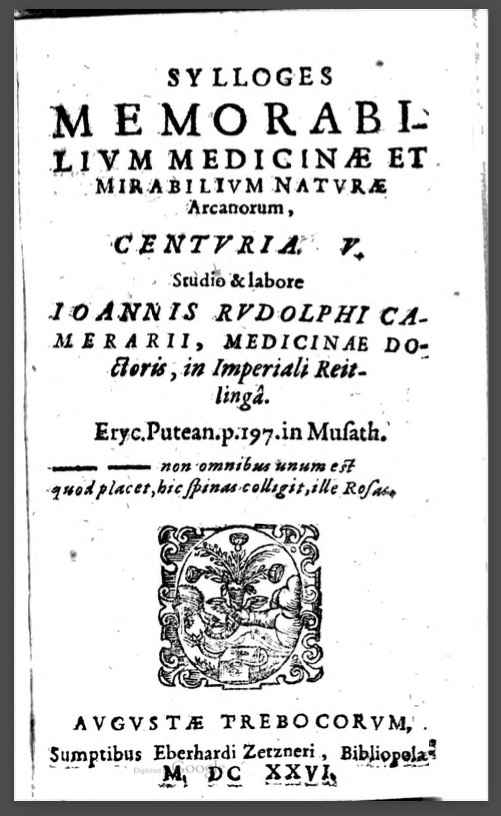
Sylloges Memorabilium Medicinae Et Mirabilium Naturae Arcanorum, Centuriae

Collections of Memorable Medical and Natural Marvels, Centuries
Book
Camerarius, J.R. (1626, 1683) Sylloges Memorabilium Medicinae Et Mirabilium Naturae Arcanorum, Centuriae. [Collections of Memorable Medical and Natural Marvels, Centuries], Cotta, 746 pp. (see pp. 567–575).
Record No. 7507  |  Sinkankas/Born No.: NIS/NIB  |  Language: in Latin  |  RWHL
A collection of medical observations, unusual cures, natural phenomena, and marvels compiled by Joachim Camerarius the Younger, arranged in “centuries,” or groups of one hundred accounts. Drawing upon medical experience, correspondence, earlier authorities, and reports of remarkable occurrences, the work ranges across medicine, pharmacology, natural history, and the mirabilia tradition. Of particular gemological interest are discussions of stones, minerals, and other unusual natural substances, including their supposed medicinal and occult properties, reflecting the close relationship between medicine, natural history, and lapidary lore in the seventeenth century.

Building a Gemological Library

Gemological books range from general identification manuals and textbooks to specialized works on individual gems, mineralogy, jewelry, treatments, synthesis, history and gem-producing regions.

For a curated selection of particularly useful books, read The Gemologist's Core Library — Classic Books on Gemology, Jewelry and Mineralogy.

About Four Treasures

Four Treasures is Lotus Gemology's freely accessible gemological reference database. Use the full database to search by author, title or keyword and explore literature on gemology, mineralogy, jewelry and related fields. Where available, hyperlinks on titles may lead directly to the full publication.

Search the Complete Four Treasures Database